Puntos de venta por ciudades, provincia, autonomía, países,...

Una gran arma de marketing que genera clientes de confianza y marca de empresa

Distribuidor / Tienda, demande a su proveedor de alimentos o vinos que le apoye mediante mapas de puntos de venta . Su uso

Distributor / Shop, ask your food or wine supplier to support you through point-of-sale maps . Using it

Distribuïdor / Botiga, demani al seu proveïdor d'aliments o vins que li doni suport mitjançant mapes de punts de venda . Fer-ne us

We export wines and food from Spain. Demand it to winesinform@gmail.com

Puede pedir vinos y alimentos de España a winesinform@gmail.com

On the work of buyer . Sobre el trabajo de comprador .

See some products and prices at Perennial tender - Oportunidad permanente

Vea algunos productos y precios en Perennial tender - Oportunidad permanente

Mostrando entradas con la etiqueta D.O.C. Priorat. Mostrar todas las entradas

jueves, 29 de junio de 2017

Priorat's new structure

Priorat's new structure
Clos Mogador
Clos Mogador

Miquel Hudin


To talk about the Denominations of Origin (DOs) of Spain is to talk bureaucracy. The DOs were drawn up not out of a grand idea of historical terroirs as seen in France, but based on what wine styles were generally made and grapes planted in a given region. While Rioja and one or two others may stretch a little beyond their autonomous community or county borders, most are bounded by modern administrative demarcations. There is no better example of how inadequate this is than the cohesive Gredos Mountains, with its slopes full of old-vine Grenache that’s split between two DOs and one Vino de la Tierra with no hope of reconciliation, as each appellation resides in separate administrative entities. 
There is, however, one DO that strives to buck the trend: DOQ Priorat in Catalonia. With a soil base comprised of 85% ‘llicorella’ (a Catalan word for this type of quartz-rich slate), it is indeed more uniform and able to present itself as a zone of which there is a defined typicity.
The winemakers of DOQ Priorat, despite having been elevated to the hallowed ‘qualitat’ (or ‘calidad’ in Spanish) classification in 2000 by the Catalan authorities, saw the need for a more layered classification that truly represents the territory, and proceeded to the next logical step of village subzones, or Vi de Vila. This process took years as everyone at INCAVI (the Catalan wine regulating body) or the DOQ offices are keen to emphasise. The reason for this is that it was not an easy task and required many rounds of yearly microvinification to ascertain some semblance of definitive territory between the villages. Nothing like this had been done before in Spain, and it hasn’t been fully replicated since.

The first level
The final result was a compromise. One village was split into two – which is why there are 12 Vi de Vila in a region with 11 official villages – and the borders of the actual villages were reshaped. In some cases, this made a great deal of sense, but in others, it was a back and forth negotiation as the final borders are generally based upon where the grapes head to vinify. So, by way of example, a viticulturist who has been taking his grapes grown in the borders of Village A to vinify in neighbouring Village B was often awarded Village B classification for his grapes where reasonable. Additionally, to be approved for a Vi de Vila, the grapes have to be sourced and vinified in the same village if the vineyard is not owned by the winemaker.

After all the bargaining and negotiating, this certification of Vi de Vila came into effect in 2009. There were, of course, criticisms, the main one being about the age of the vines. For Vi de Vila, producers can use grapes from vines of any age, whether they be five or 105 years old. This has made it difficult for the resulting wines to really show their point of origin, as centenarian grapes will make a very different wine than younger vines, even if produced in the same village and in the same style.
Despite these shortcomings, there are roughly 60 individual references out of a yearly total of about 400 in DOQ Priorat that emerge as Vi de Vila each year. Yet this is a restless DO, and in the years after Vi de Vila came into force, considerable work has been done to create an even greater system of classification, which is close to getting approval.
The second level
Since 2002, there has been a Catalonia-wide certification called Vi de Finca, which is similar to the Vino de Pago introduced in 2003 to the rest of Spain. Vi de Finca is a single vineyard certification, comparable to a French cru; to qualify, a wine of at least 10 vintages must have been made solely from grapes from that vineyard. There are to date two Vins de Finca in DOQ Priorat: Clos Mogador and the Mas de la Rosa of Vall Llach. There are two more in the works to be released in the near future, as well as others from elsewhere in Catalonia.

While these classifications – Regional to Village to Cru – seemed logical to winemakers, they still lacked anything to indicate the very highest levels, especially as Priorat has more in common with Burgundy than with other Spanish areas. Not only is the landscape varied, but it also has many small-land holders and growers that sell to a number of wineries.
Salus Álvarez, a winemaker in the village of Porrera and the current president of DOQ Priorat, explains that at the end of the 19th century, the land in Priorat was held by only a few families. By the time phylloxera arrived in 1893, the Spanish were prepared, having seen the damage it had done in France over the previous 30 years. “It was just a matter of grafting our local vines onto American rootstocks. This is where we’ve started our vineyard classification with our ‘paratges’ that descend from these old, historic landholdings.”
The third level
The Vi de Paratge (pronounced ‘paracha’) will form the next step in the new finite classifications after the Vi de Vila. This is a term that doesn’t translate perfectly to English, but which can best be summed up as a ‘zone’. These are areas that are smaller than a village but larger than even the biggest vineyards, and are historically known in the region and have a unique name. The term is potentially problematic as DO Cava is also releasing a new classification of Cava de Paratge, and they’re explaining it as a single vineyard classification for the sparkling wine region. This is not what a paratge is, so some wine critics are having trouble understanding Cava de Paratge because some of the vineyards are not a single tiny site as the name ‘single vineyard’ suggests, but whole zones.

The key difference is that in DOQ Priorat, the level of paratge is being defined by the DOQ based upon historic documents. DO Cava on the other hand has individual wineries nominate a vineyard (or collection of vineyards) for the qualification, and the winery in question can decide to revoke the paratge at any point they like. For DOQ Priorat, these will be set in stone and immovable as they form the basis for the next level of classification, the Vi de Vinya, or true ‘single vineyard’ wine.
Essentially, Vi de Vinya is very similar to the Catalan-wide Vi de Finca, but one of the key differences is the removal of the stricter limit on production yields and the 10-year approval period. Theoretically, a vineyard could be both, as they’re both a definition and classification of a single vineyard. But where Vi de Finca is the classification of a vineyard of one owner, the Vi de Vinya will, in theory, be the classification of a full vineyard, thus being more like the Burgundian Premier Cru. This in turns makes the classification of a Gran Vi de Vinya even more relevant as then it takes on the trappings of a Grand Cru. Note that a vineyard must pass through all the stages of certifications and can’t simply jump to Gran Vi de Vinya, although it remains to be seen how those with a Vi de Finca will be treated.
It might seem redundant to have both Vi de Finca at a Catalonia level and then Vi de Vinya at a Priorat level, but Álvaro Palacios explains the difference. Palacios is a renowned Priorat pioneer and owner of L’Ermita, a vineyard in the village of Gratallops, that produces the epitome of Priorat Grenache. “The Vi de Finca in Catalunya is coming at the classification from the top,” he says. “With this new system, we’re starting from the bottom, working up in a pyramid of quality based upon the typicity of the region.”
There is still a good deal of work to be done on this new scheme, as one of the key points is both the age of the vineyards and the reduction of yield the further up the ladder one climbs. Given a starting point of 6,000 kilograms per hectare for red wines (resulting in 3.9 hL per ha) for the entire DOQ Priorat, Palacios relates that a Vi de Paratge would drop to 4,000 kilograms per hectare with a minimum vine age of 15 years; Vi de Vinya is the same, but with 20-year-old vines; and then Gran Vi de Vinya at 2,500 kilograms per hectare, a minimum vine age of 35 years, and a blend that’s at least 90% Grenache and/or Carignan.
Gran Vi de Vinya has essentially been created to emphasize that the old sloped vineyards represent the pinnacle of DOQ Priorat wines, given they are the only vineyards that could meet these exacting standards. These totals are not yet official, and although subject to change, they indicate where the classifications are heading.
A long time coming
When the ‘Clos’ group – who are largely credited with revitalising the region – began arriving in 1979, led by René Barbier, there were only some 500 ha of vineyards in existence. Most of those replanted after phylloxera had been sold off in pieces or replanted with hazelnut or almond trees. The Spanish Civil War and then the mass migration of people due to the arrival of beach tourism on the nearby coast didn’t help. While rising grape prices have gone some way to preserving these old vineyards, the classification system is another attempt to regulate and define old vines.

So, in addition to being the first Spanish appellation to create a village structure – soon to be joined by a cru structure – Priorat will also be the first wine region in the world to define ‘old vines’ by establishing a minimum vine age. It’s a unique approach to Spanish winemaking, and it’s why DOQ Priorat remains a top appellation. The only other region at this level, Rioja, is just starting to allow village names to be stated on the label, let alone having a classification for them.
Change has been a long time coming, but now that it’s here, it appears that DOQ Priorat is leading the pack to a brighter and more eloquent definition of Spanish wine.


Origin information: Meininger

jueves, 26 de enero de 2017

Entrevista a LLuis Llach del celler Vall Llach ... Comentari de Wines Inform Assessors:


Priorat amb mar
El copropietari del celler Vall Llach diu que el Mas de la Rosa 2013, el millor de Catalunya (exaequo) als Premis Vinari 2016, "ofereix honestedat i territorio"


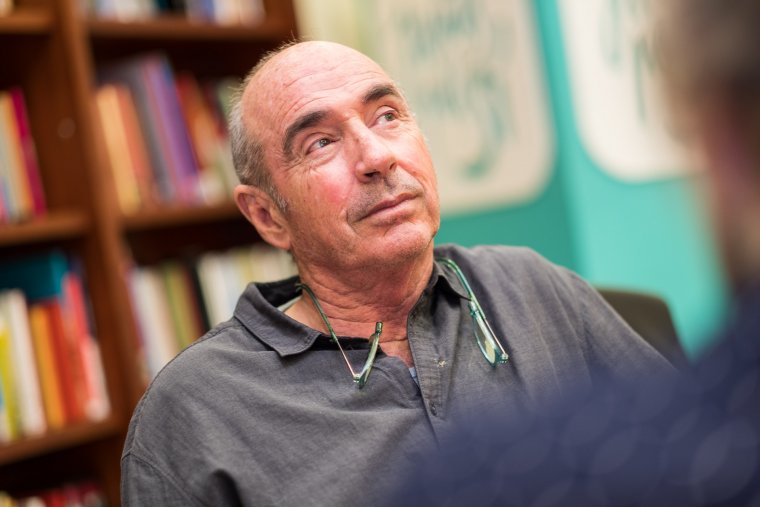
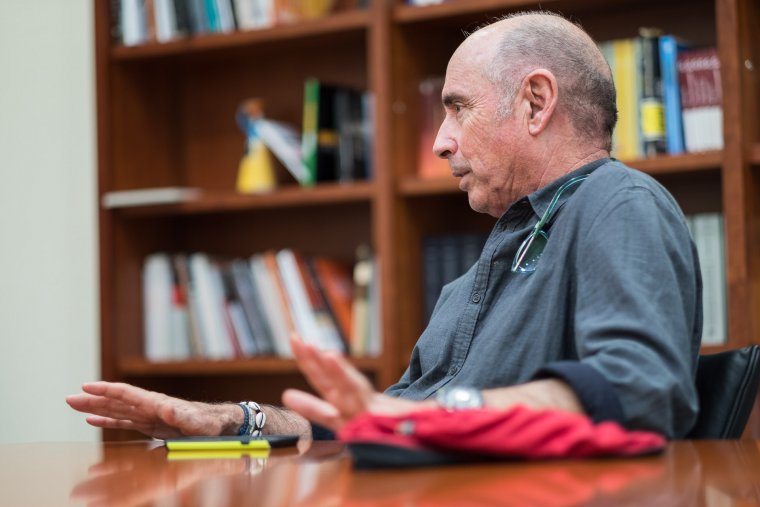
Cantautor icònic, d’esquerres, revolucionari; diputat, independentista; impulsor d’una fundació solidària i d’un celler al Priorat. Així és Lluís Llach (Girona, 1948), que rep Vadevi.cat al Parlament per a parlar de vi, de les revolucions vitivinícoles al Priorat i de Porrera, on als anys noranta hi va fundar el celler Vall Llach. Precisament d'aquest celler en va sortir el millor vi de Catalunya (exaquo) dels Premis Vinari 2016, el Vi de Finca Mas de la Rosa 2013.
 
Li canvia la percepció del vi després d’un reconeixement així?
 
En absolut, el Mas de la Rosa sempre ha estat del millor que fem al celler. A mi no em sorprèn que hagi agradat tant, el que em sorprendria és que passés desapercebut.
 
Quin és el secret?
 
A un lloc com el Priorat, el territori sempre acaba prenent la paraula. Mas de la Rosa és una finca molt especial, un coster amb sòl pedregós i vinyes velles de l’època post fil·loxèrica. La seva propietària, Carme Bargalló, ens va dir que no tenia ningú que la seguís, i ens va demanar que li cuidéssim la vinya. Vam tenir clar que ho faríem i ens la vam quedar.
 
Ens falta un pas. Abans de comprar terres, Lluís Llach aterra a Porrera i decideix fundar un celler. Què li fa prendre aquesta decisió?
 
A principis dels 90 em van condemnar a mort [diu referint-se a un càncer que li van detectar] i vaig pensar que Porrera era el millor lloc per esperar el que fos que havia de venir. Mai va passar res, com podeu veure (riu), però un cop allí vaig recuperar el petit patrimoni que m'havia deixat la meva mare i hi vaig plantar 4.000 ceps. Un bon dia va venir a veure'm l’Enric Costa, a qui coneixia des de feia molts anys, i em va proposar fer alguna cosa plegats. L'any 1997 vam fundar el celler Vall Llach.
 
"A un lloc com el Priorat, el territori sempre acaba prenent la paraula", diu el cantautor | Jordi Borràs


Aquesta és la metxa que encén la revolució del vi a Porrera?
 
No, tot això ve d'abans, i són els mateixos vilatans qui en tenen el mèrit. Tot i així, res no va ser fàcil i, si ja era complicat fins llavors, l’any 1994 hi va haver una gran inundació que ho va empitjorar tot. Hi havia un desànim generalitzat i potser per això o perquè en aquell moment no veien més alternatives, aquells avis ens van fer cas quan el Josep Lluís Pérez i jo els vam reunir a la cooperativa de Porrera i els va dir que calia començar de nou amb noves regles del joc.
 
Quina va ser la fórmula màgica?
 
En aquella època ja havia fet alguns contactes amb els Cinc Magnífics [René Barbier, Josep Lluís Pérez, Carles Pastrana, Daphne Glorian i Álvaro Palacios], sobretot amb en Pérez, i la nostra preocupació era que el Priorat esdevingués pasto d’inversió forana. El pagès estava descapitalitzat i poques famílies podien viure de la terra en bones condicions. Després de moltes reunions, vam trobar la solució: provocaríem una pujada de preus perquè el pagès es guanyés bé la vida, cosa que, a la llarga, garantiria una estructura de cellers familiars al Priorat i la socialització de l’aventura del vi més enllà de les cases que fins llavors s’ho podien permetre.
 
I aquí neix la iniciativa Cims de Porrera?
 
Sí, la posem en marxa amb els socis de la Cooperativa amb l'objectiu de millorar les condicions de vida del pagès. I així va ser: en 4 anys vam passar de pagar de 40 a 60 pessetes el quilo, a 650.
 
Un increment del 1000%?
 
Això era el primer pas per a millorar la qualitat del producte. Quan es paga bé, el pagès entén els conceptes de qualitat, exclusivitat, territori...; però si cobra 40 pessetes, serà impossible evitar que vulgui fer molta producció. Conec una família que cobrava 400.000 pessetes l’any i en 3-4 anys va passar a guanyar-ne 4,5 milions, i tot perquè va començar a explotar i a vendre bé el vi. Vet aquí quin canvi més radical.
 
I després hi ha una altra cosa: en aquest punt, el pagès del Priorat s'adona que té un lloc al món i que depèn d’ell mantenir-lo. Abans això era impensable, però ara tenen clar que la responsabilitat no és del "Lluïset o del Renerito" sinó seva. I el fet que el pagès hi cregui, afavoreix que la qualitat sigui quelcom sostenible. En canvi, una jugada comercial que només s’aprofités de les circumstàncies del moment, acabaria desapareixent ràpidament.
 

"El pagès del Priorat s'adona que té un lloc al món i que depèn d’ell mantenir-lo", diu Llach | Jordi Borràs
 
Però el canvi arriba per quedar-se...
 
Actualment a Porrera hi ha 20 cellers en un municipi de 400 habitants. I són cellers indestructibles que han aguantat el pas dels anys sense haver d'abaratir la qualitat (amb un esforç familiar, evidentment), i això és importantíssim. De cop i volta, l'aventura del vi és una aventura humana i social. És un somni que quan el penses sobre paper et sembla que et farà ensopegar, però que malgrat tot, acaba funcionant. És una de les coses que he fet de les quals em sento més content.
 
Ja els ha esmentat en algun moment, però quedem-nos un moment a Gratallops, on s’hi viu una revolució similar amb altres protagonistes.
 
Feia temps que seguia la seva història i és cert que a Porrera vam aprofitar la revolució enològica que estava veient la comarca per fer una revolució econòmica mai vista al poble i que seria d’enorme importància. Amb els Magnífics ens veiem sovint, m'aconsellaven, em van ensenyar moltes coses. Mai et veien com un adversari i això és intel·ligent. Tu treballes, dones personalitat al teu producte i tot és benvingut. Recordo que li deia al René Barbier: "Jo no sé fer vi", i ell em responia: "T’equivoques, el vi és filosofia".
 
Està clar que el Priorat ha fet els deures i s’ha posicionat al món com una de les millors regions vitivinícoles. Què pensa de les altres zones elaboradores de Catalunya, on des de fora se’ls retrau que "s’hagin adormit"?
 
Crec que estem en el camí de superar vells complexos i que s’estan fent les coses bé. Deixar-ho tot a opinions foranes és un gran error, perquè el vi català té prou categoria, prou nivells de venda i prou expectatives de futur perquè hi hagi una crítica pròpia, amb personalitat, i perquè ningú ens vingui a explicar què hem de fer.
 
A més, crec que s’ha de ser intel·ligent i aprofitar la pujada que viu el vi al Priorat perquè el sector millori també a d’altres zones. El Priorat ha ajudat a entendre, malgrat certs interessos, que la política del petit, d’una comarca, és el secret per donar sostenibilitat a l’agricultura, que estava molt fotuda, i que a través del vi es pot trobar una complementarietat territorial importantíssima.
 
Tot i això, el consum intern de vi català és baix i costa que creixi. Cal treballar per canviar aquesta tendència o mirar cap enfora i exportar?
 
Quan vam començar aquest projecte, m’obsedia fer un vi de qualitat i no un vi d’autor. No és el vi de Lluís Llach, qui el fa és l’Albert Costa i el seu equip, i en cap cas volíem aprofitar-nos del nom per vendre a Catalunya. Hi vam pensar molt, i finalment vam decidir prioritzar l’exportació fins al punt que un 80-90% del nostre vi se n’anava als Estats Units, Alemanya i Suïssa.
 
Us explicaré una curiositat relacionada amb això que parlem. Als inicis del projecte, van venir a veure'ns dos exportadors, un alemany i un americà, interessats pels vins del celler. Quan ens van preguntar el preu, ens vam adonar que no en teníem ni idea. Un ens va dir: jo, a Alemanya, l’he de vendre a tal preu; l'americà va fer el mateix. I aquell preu, una mica rebaixat, va acabar sent el preu del Vall Llach i de l'Embruix. El mercat va marcar –mai millor dit- el preu del nostre vi.
 

Lluís Llach va fundar el celler Vall Llach l'any 1997 amb l'Enric Costa | Jordi Borràs
 
Preus que en el cas del Mas de la Rosa, per posar un exemple, s’apropa als 100 euros. Què paguem amb un preu així?
 
El producte resultant de la màxima exigència. Nosaltres ho hem dit sempre, oferim honestedat i territori, sense trampa. És possible que ni l’Enric ni jo no haguéssim pagat mai 1.000 pessetes per una ampolla de vi, però som conscients del que fem i el que volem: vins de vila, exclusius, únics. Vins per la degustació més que per consum. Un Vall Llach no l'obris per dinar ni en busquis el millor maridatge. Ara, si vols fer-te un homenatge, posa-te'n una copa i tingues clar que passaràs una bona estona. Aleshores, aquest vi serà perfecte i et diria que encara hauràs pagat poc!
 
Aquesta explicació lliga amb la nova classificació dels vins del Priorat. Què en pensa?
 
Si les classificacions es justifiquen amb les necessitats que marca el territori, em sembla una iniciativa fantàstica. I en aquest cas, és així. Cada territori té peculiaritats que el diferencia de la resta. Si no, com s’explica que Gratallops sigui zona de garnatxes i Porrera es conegui sobretot per les carinyenes –de les millors del món, i no ho dic només jo-, si tan sols ens separen uns pocs quilòmetres?
 
Per quan un Vall Llach a l’Empordà?
 
Crec que l’Empordà té un futur meravellós. No ho dic només perquè jo sigui un empordanès xovinista, sinó perquè la seva orografia i clima garanteix al vi unes condicions molt especials i úniques. Jo sempre dic que l’Empordà és un Priorat amb mar. Dit això, no em veig fent cap altre celler, jo no hi entenc, de vins!


Comentari de Wines Inform Assessors:


Sempre és molt interessant quan els productors saben explicar l'essència del seu projecte i la seva historia. Es veu el present des de els dubtes que sorgeixen en el passat
Wines Inform Assessors


Origen informació :  Vadevi.cat

martes, 15 de marzo de 2016

Àlvaro Palacios wins Winemakers’ Winemaker Award 2016

Àlvaro Palacios wins Winemakers’ Winemaker Award 2016

The Institute of Masters of Wine and the drinks business has announced Àlvaro Palacios as the recipient of the 2016 Winemakers’ Winemaker Award.

_RIA1511
Àlvaro Palacios (centre) with Sarah Jane Evans MW, chairman of the institute of Masters of Wine, and Patrick Schmitt MW, editor-in-chief of the drinks business

 By Lauren Eads

The award is bestowed upon an individual that has made an outstanding contribution to the field of winemaking, and is chosen by a panel of winemaking peers that comprise all Masters of Wine who are winemakers, and the award’s past winners.

Previous winners of the award include Peter Sisseck of Dominio de Pingus (2011), Peter Gago of Penfolds (2012), Paul Draper of Ridge (2013), the late Anne-Claude Leflaive of Domaine Leflaive (2014) and Egon Müller from Egon Müller Scharzhof (2015).

Receiving the award at a ceremony held at ProWein last night, Palacios said: “Owing to the rigour and values the Institute of Master of Wine represents, it is the highest honour for me to receive this acknowledgement as a wine producer. I feel deeply grateful, and hence I want to express enthusiastically my devotion for the work of such an inspiring institution, which I hope to be up the level”.

Álvaro Palacios en su finca "La Montesa" en Alfaro. La Rioja
Álvaro Palacios

One of nine children born to the owners of Rioja’s Palacios Remondo, Palacios studied enology in Bordeaux, while working at Chateau Pétrus under Jean-Pierre Moueix, and could have returned to work the family business in Rioja. Instead, he chose to apply his winemaking knowledge to revive the the largely abandoned, ancient vineyards of Priorat. Located 60 miles from Barcelona, Priorat had been one of Spain’s important pre-Phylloxera wine regions.

He acquired his first vineyard, Finca Dofí, in 1990. In 1993 he identified what is now regarded to be the “crown jewel” of the property in Priorat – a Garnacha vineyard on well-drained schist that had been planted between 1900 and 1940. Palacios named it L’Ermita.

In 1998, Palacios spread his wings to Bierzo in Spain’s north east, founding Descendientes de J. Palacios – named after Palacios’s father – with his nephew. The small domaine now produces as many as seven different wines, depending on the year.

“Àlvaro Palacios has already deservedly won many awards for his own wines, as well as for his exceptional contribution to the modern history of wine in Spain”, said Sarah Jane Evans MW, chairman of the Institute of Masters of Wine. “This Award has the unique distinction of being voted for by winemakers. All of them as Masters of Wine are committed to excellence, and with this Award they recognise in Àlvaro Palacios’ work as a winemaker his own continued commitment to excellence.”

Origin information:  The Drinks Business

martes, 10 de marzo de 2015

Priorat wine producers bid for World Heritage status. Catalan wine producers in Spain are pushing ahead with a bid to have Priorat recognised as a UNESCO World Heritage site.

Priorat wine producers bid for World Heritage status

Catalan wine producers in Spain are pushing ahead with a bid to have Priorat recognised as a UNESCO World Heritage site.

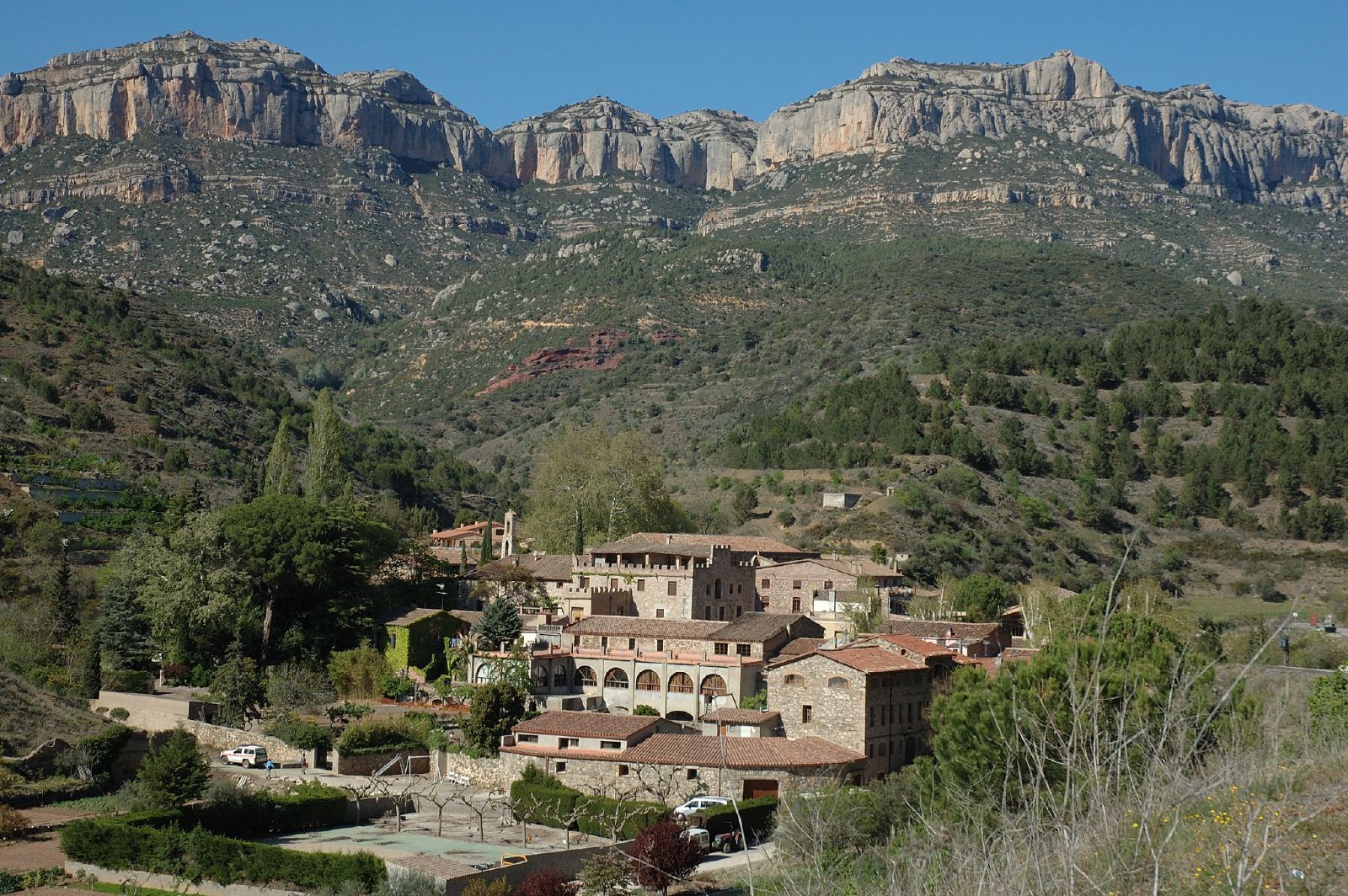
Priorat
Image credit: Jordi Roque / Wikipedia

by

The campaign, which has been endorsed by the government of Catalonia, aims to protect a landscape that has generated an economy based on wine and olive oil production and wine tourism.
Among the most vertiginous wine regions in Europe, Priorat is home to deep-rooted vines grown on the unusual llicorella slate soil near Tarragona. Producers want the region to be listed as a ‘mountainous, Mediterranean agricultural and cultural landscape’ by UNESCO.
Rachel Ritchie, liaison officer of Priorat wine council’s Espai Priorat event, said World Heritage status would help protect Priorat’s non-terraced hillside vineyards, known as ‘costers’.
'The introduction of terraces in Priorat has not worked as well as ‘costers’, so World Heritage status would protect traditional winemaking techniques,' said Ritchie on the sidelines of the Decanter Mediterranean Fine Wine Encounter in London over the weekend.

Producers claim UNESCO’s global reach would help raise awareness of the values of Priorat’s landscape and cultural heritage.

“We have work the land with the upmost respect for the environment,” said campaigner Joan Asens, Oenologist at Orto Vins winery and former winemaker for Decanter Man of the Year Alvaro Palacios.

The campaign for Priorat follows the inclusion of the Alto Douro wine region in Portugal as a World Heritage Site in 2001. More recently, St Emilion in Bordeaux and Barolo vineyards in Piedmont have made the list.

The Priorat area is home to both Priorat and Montsant DO wine regions and an olive oil DO. Campaigners now have to present a final dossier to the Spanish government, which would then take responsibility for pushing Priorat's case on the international stage.


Origin information: Decanter


lunes, 2 de febrero de 2015

Spanish winegrowers reap benefits of Chinese booze boom

Spanish winegrowers reap benefits of Chinese booze boom


Blend from Catalan vineyard is little known at home – but has just been named best in world by specialist Asian magazine

Couple vineyard
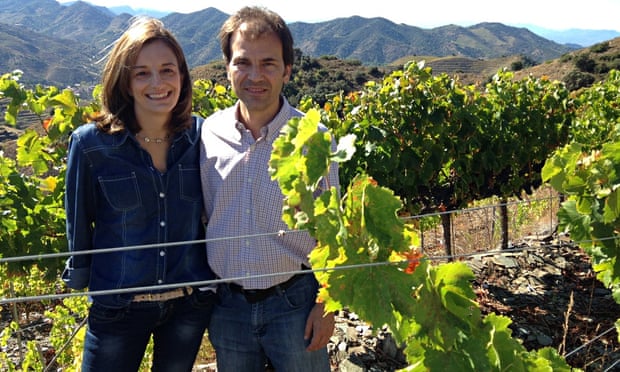
Olivia and David in their vineyard: 'It was a complete surprise to us.'

China’s wine market is one of the biggest in the world, with urban affluence having driven a decade of explosive growth in consumption.
Now a small bodega in Spain stands to benefit from the Asian country’s huge economic firepower after one of its wines was named as the best in the world by a specialist Chinese magazine.
“It was a complete surprise to us,” said Olívia Bayés, who with her husband, David Marco, runs Marco Abella in the mountains of the Catalan winemaking zone of Priorat. “They told us we had made it into the top 100 – we were really excited to get that far. Then they called us and told us to come to China because we had won the top prize.”
After more than six years pushing their products in China, the pair had entered Wine in China magazine’s blind-tasting competition in the hope of drumming up more business.
The 14-member jury, made up of experts and sommeliers from China, Australia, the UK and US, gave top marks to the Marco Abella 2009 Clos Abella, awarding its blend of carignan, garnacha, cabernet sauvignon and shiraz grapes 97 points out of 100. The bottle retails for about €40-€50 (£30-£38) in Spain.
Bayés, 42, said she hoped the recognition would bring a degree of continuity and stability to the exports to China. “We’re a small bodega – we do everything ourselves,” she said. “You’re always thinking about the future. I’ve got this many sold here, this many sold in the US. But with China, it’s always, ‘How many will we sell this year?’”
The former lawyer and her husband, who worked in management in Barcelona, entered the wine business after deciding they needed an escape from city life. “Our families told us we were crazy,” she said. “We had good jobs, good salaries and had it all figured out, but we wanted to change our way of life.”
They relocated to just outside Porrera, a small town 80 miles south-west of Barcelona, where generations of Marco’s family had produced wine. In the 19th century, after the grapevine pest phylloxera struck the vineyards, his grandfather upped sticks and moved to Barcelona.
Advertisement
Their first wines were ready to sell in 2008 – just as the economic crisis hit Spain. With few in Spain willing to take a gamble on unknown high-end wines, the pair eyed markets where few other domestic wines had gone. “It was like a boxer taking hits in the ring,” said Marco, 46. “The important thing for us was to not fall over.”
After a failed attempt in India – “We saw pretty quickly that Indian cuisine didn’t pair well with red wines,” he said – they became the first from the Denominación de Origen Priorat to try China.
They are one of several Spanish bodegas that have looked abroad in hopes of drumming up demand, said Rafael del Rey of the Spanish wine market observatory. Wine imports to China rose sevenfold in 2007-13, but have slowed of late.
“The Chinese market is now growing at a much slower pace. It doesn’t create the great expectations that it used to five years ago,” he said. He attributed the change to a slowdown in economic growth as well as a crackdown by China’s government – in an effort to tackle corruption – on lavish gift-giving.
Amid the slowdown and facing tough competition from other wine producing countries such as Chile and Australia, he said, some Spanish producers have been forced to reevaluate whether chasing the Chinese market is worthwhile. “It’s not easy. It takes a large investment, a lot of trips back and forth, and a very close relationship with Chinese distributors.”
For those at Marco Abella, their venture into China has helped to fuel an expansion of their team to seven members, who produce about 80,000 bottles of wine a year. It remains to be seen if their success in China will translate into success in their own backyard, said Bayés. “We sell well in the US, China and Catalonia. Now we’re hoping to grow in the rest of Europe.”

Origin information: The Guardian 

sábado, 20 de diciembre de 2014

Ferrer Bobet Selecció, el Priorat més esperat a Xina i Japó


Ferrer Bobet Selecció, el Priorat més esperat a Xina i Japó

Pàgina del còmic japonès "Drops of God" on surt el Ferrer Bobet Selecció Especial 2008, DOQ Priorat


 Quan el vi Ferrer Bobet Selecció Especial 2008 va aparèixer a “Les gotes de Déu” (“Drops of God” en anglès, "Kami no Shizuku “, nom original), com l‘onzè dels dotze apòstols que s’havien de descobrir en les aventures del famós còmic japonès de Tadashi Agi i Shu Okimoto, les vendes i l’interès per aquest vi del Priorat es van disparar en els països asiàtics seguidors de la publicació manga. Fins i tot la revista Decanter va ressaltar que “Les gotes de Déu fós possiblement la publicació de vins més influent dels últims 20 anys".

Aquest vi s'ha fet molt popular i els importadors de Hong Kong com
Sens Wine Cellar ja l’anuncien entre els seus vins favorits per aquestes vacances. Recentment, la nova anyada de Selecció Especial Vinyes Velles 2011 i Ferrer Bobet Vinyes Velles 2012 ha sortit al mercat i bona part de la producció ja ha estat demandada pel continent asiàtic.
 
Orígen informació: Vadeví

lunes, 24 de noviembre de 2014

La fundación del Priorat

La fundación del Priorat


Priorat, 1989

Esta es la historia de una botella que atesora 25 años. Un tinto que contiene paisajes, pueblos, bosques, montañas, piedras, secretos, fe y convicción.
El nuevo Priorat comienza con ese vino de 12,5 grados con el que dejaron atrás el granel para concentrarse en lo singular. Fue también la resurrección de una comarca emparrada con las vides del monasterio de Escaladei desde el siglo XII. La producción fue de unas 8.000 botellas. Cada uno de los diez bodegueros originales recibió unas 800. Lo extraordinario es que hicieron un solo vino. Diez etiquetas y un solo vino. Solo una vez.
El reportaje recuerda la amistad de cuatro supervivientes. Camaradería, esfuerzo, talento, audacia, amenaza de quiebra y triunfo final de René Barbier, Álvaro Palacios, Daphne Glorian y Josep Lluís Pérez. Persona principal es Carles Pastrana (Clos de l’Obac), reclutador con René del grupo de los diez entre 1979 y 1989.
Al final beberán una botella del 89 –quedan pocas, buscadas por coleccionistas con sed por lo único– y las mentes se expandirán y volarán hasta aquel año difícil y esperanzador.
Los cuatro han sido convocados en Gratallops, en la bodega de Álvaro. Son días de vendimia, un año complicado, con exceso de lluvias. Dejar por unas horas los campos es para ellos un castigo. Preferían estudiar las uvas, decidir en qué momento deben ser recolectadas. Se juegan la cosecha. La tierra no admite poses. Las uñas de Álvaro tienen barro. Calza botas de trabajo. Daphne llega con ímpetu campestre, la mochila al hombro, el andar rápido. La fermentación agobia el aire. Todo el Priorat hierve.

"Cultivar a las personas"

El mayor es el profesor Josep Lluís Pérez. Antes de comprender las plantas, intentó comprender a las personas. Licenciado en biología humana por la Universidad de Ginebra, hijo de barbero, peluquero él mismo en aquella Suiza de la inmigración, llegó al Priorat tras dar clases en un instituto del Vallès Occidental. “Yo no tenía ni idea de vino. ¡Ni idea! Me interesaban la didáctica, la biología humana, Jean Piaget. El sujeto activo es el niño. Lo antagónico a lo actual. Soy de un pueblo de Alcoi, Quatretondeta, y quería venir a un pueblo”.
Ese lugar fue Falset, y su centro de formación profesional. La llegada coincidió con un hito: se regló la enseñanza de enología y viticultura (curso 1981/1982). Josep Lluís hizo un estudio económico y documentó que, con lo que cobraban, los jóvenes huían del campo. 
Tuvo claro que “había que cultivar a las personas”. El profesor dice ese tipo de cosas: “Cultivar a las personas” o “dignificar la agricultura”.
El papel de René Barbier, descendiente de agricultores franceses en el oficio desde del siglo XIII, es el de la argamasa: unió las piedras para el muro. Fue él el que tuvo la visión y el que compactó al grupo. Había adquirido una finca en 1979 con nostalgia de la infancia en Prades. Le llegó con un soplo que en Falset, en la Escuela de Enología Jaume Siurana, había un educador: “Escuchaba hablar de una persona que tenía ideas nuevas”. “Era 1984 o 1985” y la revolución, algo intuido. René y Josep Lluís han mezclado las raíces, son consuegros, comparten nietos. La saga Barbier Pérez se intuye larga, ramificando el futuro de la comarca.
La agricultura en los años 60-70 era “polución, dolor, farmacéuticas”. En la memoria de René, suciedad y una contaminación por exceso de higiene, “rentabilizaban el campo con monocultivos”, “era la fortuna de las farmacéuticas, no del campo”. Sacar la química de la tierra, regresar a lo natural, promover la salud de las plantas y las personas. Uvas ricas en lugar de uvas obesas. “Mi obsesión siempre fue el territorio y las viñas”.
Álvaro Palacios entra en la historia en compañía de René, que trabajaba en la bodega de su familia en Alfaro (La Rioja), Palacios Remondo. “Estudié en Burdeos con el hermano de Álvaro, Antonio”. El padre de René había muerto y encontró en los Palacios nuevos afectos.

El Gran Vino

“René era mi profeta, un hippy del 68”. Álvaro tenía unos 16 años y callos primerizos, ganas de aventura, hormigas en los pies; y en la cabeza, “la idea de hacer, algún día, un Gran Vino”. “Álvaro es mi hermano pequeño”, enlaza René.
Entiéndase que estas personas, que no están unidas por la sangre, son familia. Por sus venas fluye el tinto, decantado cuidadosamente. Álvaro visitaba a René en Tarragona, “el ambiente de Catalunya, la noche, el jazz”, escuchar un saxo y manejar el sacacorchos como otro instrumento musical.
Alfaro-Tarragona-Burdeos, Château Pétrus. “En Francia me volví loco con el Gran Vino. Hay chavales que han ido allí y no lo han pillado, se han quedado con la técnica, con la bata blanca”. Piensa Álvaro en la ciencia, pero, sobre todo, en la sensibilidad y la sensualidad. “El encanto del vino de lujo, basado en la historia de un lugar. Volví a Alfaro. Y quise irme. Irme de la empresa, pero nunca me fui de casa”. Necesitaba hacer su vino a su manera. La vid como forma de crecimiento. “El Gran Vino está en el viejo mundo: Italia, Francia, España. Entonces estaba lleno de tesoros olvidados”. En los 80 en el Priorat, la llicorella era la tapa del cofre. René y Álvaro se recuerdan soñando, encegados con la idea del Gran Vino. “Siempre hablando de lo mismo”. La mejor de las ideas fue compartir. Hablan de comuna, hablan de unión, hablan de colectivo, hablan de “admiración”.
“Sin ayuda me hubiera sentido estúpido. Solo podíamos conseguir una gran región entre todos. Es la clave”, dice René con la barba melancólica. “Es posible un vino de élite con mucha gente produciendo”, corrobora Álvaro, la piel de albero, mimetizado con las vides otoñales. Atraer talento, atraer conocimiento, colaborar. Y la ciencia, dice Josep Lluís: “Había que ocuparse de que la ciencia estuviera con nosotros”.

"Bajo un mismo techo, cada uno su vino"

En 1988, René y Álvaro encontraron a Daphne en una feria en Florida. “Vendía vino”, recuerda la suiza trasladada a EEUU. “Fuimos a bailar. René fumaba en pipa y la perdió, encendida, entre la multitud, ¡y nos pusimos a buscarla!”. Eso son los pequeños detalles que, como una brasa, siguen encendidos en la memoria. Hoy Daphne sabrá, 26 años después, que René encontró la pipa que ella creyó extraviada esa noche de terciopelos. 
Escuchar a aquellos chalados, ¡hacer un Gran Vino!, la convenció: “Fui al Priorat y en una tarde compré la finca”. “Dinero no había mucho”, cuenta Daphne. Álvaro lo reafirma: “Esto no encajaba con nadie con dinero. Lo marcaba la idiosincrasia de la zona, la dureza y las limitaciones. El Priorat se hace como quiere el Priorat. La idea era una bodega conjunta, pero cada uno haciendo su idea de vino”. “Bajo un mismo techo, cada uno su vino”. “Discutíamos mucho. Cada uno iba construyendo su mundo, su barrica”. Los cuatro expresan lo mismo. Todos/cada uno.
Laderas de vértigo para una viticultura de riesgo. Años después, cuando el Priorat era voceado por el mundo, llegaron los capitalistas y se estrellaron tras rodar por las pendientes. Esta tierra obliga a herirse.
Josep Lluís injerta la visión social: “Creímos que si hacíamos vinos de calidad, la gente, los jóvenes se quedarían”. “Nunca pensamos en hacer un vino de batalla”, remata Daphne. 
Con la idea colaborativa, solidaria, cada uno aportó lo que tenía. René puso bodega y uvas. Álvaro trajo las barricas porque entonces estaba en ese negocio. Josep Lluís Pérez acaparaba conocimiento técnico, pero también necesitaba capital: “Tenía cuatro hijos. Tuve que salir fuera como asesor técnico y llevar fincas en todas partes”. Aún hoy aconseja en Suecia y Egipto, donde elaborar es una tarea arenosa.
Un solo vino, diez etiquetas: Clos Mogador 1989 (René Barbier), Clos Dofí 1989 (Álvaro Palacios), Clos Erasmus 1989 (Daphne Glorian), Clos Martinet 1989 (Josep Lluís Pérez), Clos de l’Obac 1989 (Carles Pastrana), Clos dels Llops 1989 (Luc Van Iseghem), Clos Ballesteros Jové 1989 (Antonio Rosario), Clos Basté Krug 1989 (Toni Basté), Clos Setién 1989 (Fernando García) y Clos Garsed 1989 (Adrian Garsed). Una Internacional Vinícola con varias nacionalidades.

El 'boom' llegó en 5 años

El futuro estaba encerrado en una botella de 75 centilitros y tenían que salir a venderlo. Quim Vila, comerciante y dueño de Vila Viniteca, tuvo nariz: “Los conocí en 1991 con la añada del 89. Primero a Álvaro, creo que a René y a Josep Lluís, juntos. La última, Daphne. Me quedé 24 botellas del 89. Pensé: ‘Estos tíos están locos’. El lugar es tan especial… También fueron las primeras bodegas que comenzamos a distribuir. 10 cajas al año. Costaba mucho venderlas. Pasaron cinco años antes de que llegara el 'boom'. En 1995, L’Ermita del 93 [L’Ermita es el top de Álvaro] armó jaleo. Antes de Robert Parker [el crítico más reputado], alemanes y suizos ya habían dicho que eran fantásticos”. Parker dio 99 puntos al Clos Erasmus 1994 y 97 a L’Ermita del mismo año.
El precio era un certificado, una confirmación. Que el vino era bueno. Que ellos eran buenos. René viajó a Francia para presentar sus respetos y Clos Mogador al sumiller Jean-Claude Jambon. Se lo sirvió y le preguntó si pagaría 1.500 pesetas por la botella. Entonces, la cooperativa vendía el litro a 70-80 pesetas, y hoy los mercados pagan por los grandes tintos de la comarca entre 100 y 1.000 euros. ¿Por qué un líquido anónimo de un lugar remoto tendría que haberle interesado al señor Jambon? René regresó a Gratallops con varias cajas vendidas.

Desgracias familiares

Contarlo de esta manera es contarlo a medias. Hay que hablar también de deudas, de miedo, de peligros, de rivalidades, de cortes de luz por falta de pago, de desgracias familiares.
“Un día en Mora se me rompió el coche, un trasto, estaba desesperado, lloré, ‘quiero una nómina, quiero irme a casa, no puedo más”, rememora Álvaro con la sonrisa torcida. “Pasaron millones de cosas, pero las salvamos porque éramos superobstinados”, concluye Daphne.
Los “superobstinados” prueban el Clos Dofí del 89, botella 000376, red table wine, 12,5 grados; 45% de garnacha, 10% de cariñena, cabernet sauvignon, syrah, merlot. Gemelo de los otros nueve clos. La DO no les permitió calificarlos como priorat por la baja graduación.
En 1989 murió el Dalí de los bigotes pochos, Arafat anudó el Estado de Palestina con un pañuelo y los berlineses desmontaron el muro y el comunismo.
René: “Aún está aquí”.
Álvaro: “Elegancia, frescura, vitalidad. Tiene vigencia, está nervioso, vivo”.
Josep Lluís: “Es un vino del Priorat, con todas sus cualidades. El Priorat es el responsable. ¡No teníamos suficientes conocimientos! Es un milagro”.
René: “El encuentro con Josep Lluís, discusiones sobre la maceración… Creo que acertamos”.
Daphne: “Claramente le falta grado. Es fantástico que se mantenga así. Más estructura que carne. Como un bebé un poco gordito que al hacerse adulto se afina y se le ve el músculo”.
En el metal del cuello de la botella se lee como resumen y con orgullo: Personalitat única.

Orígen información: La cocina de los valientes

miércoles, 1 de octubre de 2014

How Hippies and Dreamers Transformed Priorat Into a Success Story

How Hippies and Dreamers Transformed Priorat Into a Success Story 

© Arduino Vannucchi | Left to right, Alvaro Palacios, José Luis Pérez, Daphne Glorian and René Barbier at the celebration


Tim Atkin goes to a party celebrating the founding of the modern era for one of Spain's most important wine regions.
 Posted Tuesday, 30-Sep-2014

It was a spectacular, if slightly eerie setting for a party.

The floodlit ruins of the Escaladei monastery, tucked beneath the rugged, brooding hill of the Montsant, were once the home of contemplative Carthusian monks. But earlier this month, those medieval walls witnessed an event that was anything but monastic.

Wine lovers traveled from all over the world to celebrate the 25th anniversary of the founding of "modern" Priorat, dancing and drinking until the early hours.

The story of how a bunch of hippies, dreamers and academics came to rescue a historic appellation, as much by luck as judgment, is inspirational.Related stories:

René Barbier was the first to recognize the potential of Priorat, with its old vines, steep slopes and brown slate (llicorella) soils. He started out by making a bit of wine for himself from purchased grapes, and then planted a small vineyard of his own in 1978. A few kilometers away another, rather more qualified winemaker, José Luiz Pérez, who was teaching enology in nearby Falset, was also experimenting with local grapes in his spare time.

In 1989, the two joined forces with eight other people to produce a wine in a co-operative venture in the town of Gratallops.

"It was like a commune," remembers one of their number, Daphne Glorian of the now-celebrated Clos Erasmus. "We used to drive around visiting old vineyards in a pink van with purple seats."

The 10 merry pranksters produced one wine in that first vintage and bottled it under different labels. "Critics said they preferred some to others," remembers Barbier, "but it was all the same stuff."

At the party earlier this month, the 10 bottles were displayed side by side in a glass presentation case. Some of the producers – Clos Ballesteros-Jové, Clos Garsed, Clos Baste-Krug, Clos des Llops and Clos Setien – gave up after a vintage or two, but five of them – Clos Erasmus, Clos (now Finca) Dofi, Clos Mogador, Clos (now Mas) Martinet and Clos de l’Obac – continued to produce some increasingly celebrated wines. The co-operative closed by 1991, but the remaining five members were ready to do their own thing by then.

It was those surviving pioneers who held the party to celebrate the anniversary of that first communal vintage, with one significant omission. Somewhere along the way – and for reasons that I couldn’t get to the bottom of – René Barbier (Clos Mogador), Daphne Glorian (Clos Erasmus), José Luis Perez (Mas Martinet) and Alvaro Palacios (Finca Dofi) fell out with Carles Pastrana (Clos de l’Obac). He’s still making wine, but was definitely not on the guest list.

He was partly there in spirit, however, as were the other five, long-gone members of the commune. One of the most moving moments of the night came when we tasted a bottle of the 1989 made by the co-operative. The tannins were a little dry, the flavors mature, mushroomy and slightly balsamic, but the wine was still alive; an intriguing, one-off cuvée of Pinot Noir, Tempranillo, Merlot, Cabernet Sauvignon, Syrah and – at its core – Grenache and Carignan. It was a fitting tribute to what Alvaro Palacios called "a group of romantics full of enthusiasm for a project".

How important were the pioneers? The first thing to be said is that there were still 800 hectares (2000 acres) of vines in Priorat when they started, compared with 6000 during the region's peak at the end of the 18th century, and around 2000 today.

There were also a handful of existing producers, most notably Cellers de Scala Dei. But the area was on its knees. The name "Gratallops" means "pleases the wolves" in Catalan and that was rather appropriate in 1989. "There were no children in the street, just old people," remembers José Luis Pérez. Or as Daphne Glorian puts it: "It was like landing on the moon."

Without the gang of five (Carles Pastrana deserves some credit, too), Priorat wouldn't have become what it is today – one of the three best red-wine regions in Spain. Historically, Priorat produced high-octane red wines that sometimes contained as much as 18 percent alcohol and were made in a "rancio" style. The wines are still rich and full-bodied – no surprise, given the region’s heat and harsh, burnished conditions – but Priorat today bears very little resemblance to what it was before 1989. The wines are increasingly well balanced, relying less on alcohol and oak and more on freshness and fruit.

The pioneers inspired others to come to the region. Without them, there would be no Mas d’en Gil, Vall Llach, Terroir al Limit, Mas Alta, Ferrer Bobet, Familia Nin Ortiz, Mas Doix, Viñedos de Ithaca, Cims de Porrera or (very important for international recognition) Torres, all of whom make good to excellent wines.

Growing grapes is tough in Priorat – yields are minuscule, and the land is wild and unforgiving – and corresponding prices can seem high to consumers used to the easy charms and affordability of most Rioja. But Priorat is more exciting, diverse and terroir-driven today than it has ever been.

They might not have shouted about it, but those Carthusian monks, who drank wine on a daily basis and planted some of the region's best vineyards, would surely have approved.

Origin information: Wine Searcher