Puntos de venta por ciudades, provincia, autonomía, países,...

Una gran arma de marketing que genera clientes de confianza y marca de empresa

Distribuidor / Tienda, demande a su proveedor de alimentos o vinos que le apoye mediante mapas de puntos de venta . Su uso

Distributor / Shop, ask your food or wine supplier to support you through point-of-sale maps . Using it

Distribuïdor / Botiga, demani al seu proveïdor d'aliments o vins que li doni suport mitjançant mapes de punts de venda . Fer-ne us

We export wines and food from Spain. Demand it to winesinform@gmail.com

Puede pedir vinos y alimentos de España a winesinform@gmail.com

On the work of buyer . Sobre el trabajo de comprador .

See some products and prices at Perennial tender - Oportunidad permanente

Vea algunos productos y precios en Perennial tender - Oportunidad permanente

Mostrando entradas con la etiqueta Uva-Grape: Mencía. Mostrar todas las entradas

martes, 15 de diciembre de 2015

Un vino gallego, elegido para el cara a cara entre Rajoy y Sánchez

Un vino gallego, elegido para el cara a cara entre Rajoy y Sánchez

El caldo, proveniente de una bodega orensana, fue degustado por cerca de novecientos invitados. Tiene 13,5 grados y es «suave y elegante», según sus creadores


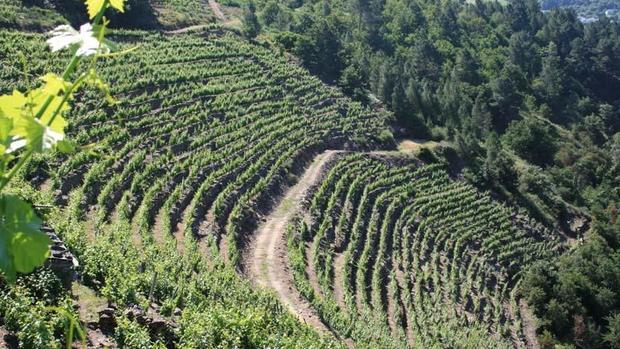
Viñedos donde se produce el caldo seleccionado - ABC
 
Un vino elaborado por la bodega orensana Cachín, de la denominación de origen de la Ribeira Sacra, fue seleccionado para el cóctel que se sirvió durante el debate televisivo, cara a cara, entre los candidatos del PP y del PSOE a la presidencia del Gobierno, Mariano Rajoy y Pedro Sánchez. En concreto, la Academia de Televisión, organizadora del debate entre los dos líderes estatales, eligió un vino de la bodega Cachín Peza do Rei, barrica 2013, que fue servido a los cerca de novecientos invitados y acreditados que asistieron al acto principal de la campaña electoral, según recoge un comunicado.

Entre los logros alcanzados por esta bodega, destaca el «honor» de haber sido uno de los vinos elegidos para la cena de la Gala de la Hispanidad, que contó con la presencia del presidente Barack Obama, en una cita benéfica que reúne a la elite empresarial, política y económica de EEUU para poner en valor el legado y la comunidad hispana del país.

En este caso, Enríquez se enteró de la elección de su caldo, un vino de la variedad mencía, envejecido durante 12 meses en barrica de roble, por la propia Academia de Televisión, ya que no pasó ningún proceso de selección. El caldo, con unos 13,5 grados de alcohol, se caracteriza por su sabor «suave» y su «elegancia», lo que lo «hace muy fácil de beber».

Creada hace unos 25 años, esta bodega gallega produce unas 60.000 botellas al año, de las cuales 15.000 son de tres variedades de blanco comunes en la zona, otras cinco mil de tinto que envejece 12 meses en barrica de roble, y el resto, en torno a 40.000 botellas, de tinto joven. 

Orígen información: ABC

Comentario de Wines Inform Assessors:

El día en que se publica esta noticia la web de Adegas Cachin no es visible..¿desde cuando no lo es? 

No hay que hacer maravillas de marketing. Sólo pensar en el cliente final y en el conjunto de los escalones de comercialización y en general de los elementos que forman una empresa (trabajadores,...) de forma empática, es decir poniéndose en la piel del otro, proporcionando listados de puntos de venta, informando verazmente,.... 

Los clientes son amigos no unos desconocidos.
 

lunes, 14 de diciembre de 2015

Mencia: The Red Wine To Know

Mencia: The Red Wine To Know


Mencía (“Men-thee-ah”) is a medium-bodied red wine grape that produces high quality wines with floral and red fruit flavors. If you’ve never heard of it, it’s not surprising, Mencía only grows in Spain and Portugal on the Iberian peninsula. What makes Mencía special is it has shown the ability to age like other fine wines and it offers rich aromas in the glass. If you love Pinot Noir and other aromatic reds (like Gamay or Schiava), then Mencía is something worth investigating.
TIP: Mencía is labeled as Jaen (“jyne”) in Portugal. 
Mencia - Jaen Wine Profile and information by Wine Folly  

Read more about Mencía on page 114 of Wine Folly: The Essential Guide to Wine

Taste of Mencía

Mencía contains high levels of a sub-group of aroma compounds called terpenoids which translate into lovely flowery aromas, strawberry, raspberry, black licorice, pomegranate and cherry sauce. When you look at a glass of Mencía, you’ll notice its deep red color with subtle hues of violet towards the rim. The color tells us that Mencía has high anthocyanin (the red pigment in wine). On the palate you’ll be greeted with peppery flavors of sour cherry, red currant and pomegranate along with a bitter cherry pit flavor which comes from the wine’s tannin. In the regions where it grows in Spain and Portugal, you will taste a subtle crushed gravel or granite-like minerality in the texture, which often contributes to its black peppery taste.

Mencia-on-the-boldness-scale-wine-folly
What’s to love about Mencía?
Mencía is a great food wine (or better yet, while you’re making food) as well as something to consider setting down for a couple of years, to taste how it evolves. Because quality production for Mencía wine is still growing, we’ll begin to see more and more of these wines in the market.
Cost for Quality: $15–$20 Decant: Yes! 45 minutes.

Food Pairing with Mencía

Alan-tran-pepper-steak-au-poivre Peppery, meaty dishes absorb the tannin in Mencía and embolden the red fruit flavors in the wine. by Alan Tran
Examples

Meat
Charcuterie, Steak au Poivre (pepper steak), Pastrami Sandwiches, Corned Beef, Pepperoni Pizza, Smoked Seitan, Barbecue, Wild Game, Roast Pork, Beef Brisket, Carne Asada, Dark Meat Turkey, Duck, Portuguese blood sausage, Chicken Fajitas
Cheese
Monterey Jack, White Cheddar, Serra da Estrela (Portugal), Azeitão (Portugal), Idiazabal (aka Petit Basque), San Simon da Costa (Spain), Queso Iberico (Spain), Manchego (Spain), Tetilla (Spain), Ossau-Iraty (France)
Herb/Spice
Black Pepper, White Pepper, Nutmeg, Allspice, Clove, Anise, Fennel seed, Black Cardamom, Sichuan Pepper, Rosemary, Sage, Bay Leaf, Dill, Garlic, Shallot, Caraway, Dijon Mustard, Hickory, Savory Barbecue Sauce, Celery Seed
Vegetable
Mushroom Risotto, Portabello Mushroom Steak, Onion, Red Cabbage, Lentil, Wild Rice, Tomato, Stewed Apricot, Prune, Hazelnut, Bell Pepper, Olive, Artichoke

Where does it grow and what to look for

Mencia - Jaen wine regions of Spain and Portugal by Wine Folly
 

Mencía grapes are grown in Bierzo, Valdeorras and Ribera Sacra in Spain, and Dão (as well as part of Beira Interior) in Portugal. The highly prized Mencía wines generally come from older hillside vineyards where the grapes are more concentrated. In the mountainous Ribera Sacra region, the position of the vineyard slope will also affect the ripeness of the grapes. So, if you confirm the wine comes from a southern facing vineyard, you’re likely to experience a more intensely flavored Mencía wine.
valdeorras A panorama of Valdeorras.
Some of the most intriguing wines made with Mencía wines often have a touch (around 15%) of the other indigenous red wine varieties blended in of Brancellao, Merenzao, Sousón and Caíño Tinto. These varieties are thought to smooth out some of Mencía’s bitter tannin. Since these varieties are so rare, it’s near impossible to find them as single-varietal wines.
If you’re not a fan of bitter tannin: Mencía can be made with softer tannins. Look for wines aged in oak barrels with tasting notes of nutmeg, brown sugar or vanilla.


By Madeline Puckette
I'm a certified wine geek with a passion for meeting people, travel, and delicious food. You often find me crawling around dank cellars or frolicking through vineyards. Find her at @WineFolly


Alfred Martinez Sanz ·
A nice and informed article on a grape variety that now is so much appreciated by connaisseurs.

Alfred Martínez - Wines Inform Assessors


Origin information:  Wine Folly

jueves, 23 de julio de 2015

Mencía the ‘Pinot Noir’ of Spain

Mencía the ‘Pinot Noir’ of Spain


23rd July, 2015 by Lucy Shaw


Fragrant red variety Mencía is “the Pinot Noir of Spain” due to its delicacy and sensitivity to terroir according to one young winemaker championing the grape.


Veronica Ortega


Veronica Ortega

Speaking to the drinks business during a recent visit to Bierzo, Veronica Ortega, who makes a pair of high quality Mencías in the region, said:

“Mencía is a very delicate grape variety, it’s the Spanish Pinot Noir as its incredibly sensitive to terroir and its environment. Its character changes a lot depending on the soil. The minerality comes through when grown on schist, and those made on sandy soils are more silky and elegant.

“Mencía is a very transparent variety – you get a lot of vintage variation and the styles differ a lot depending on the soil type and altitude of the vines. To me, soils are more important than altitude on the final character of the wine.”

Ortega’s experience at Domaine de la Romanée-Conti inspires her approach in Bierzo, which is also informed by her time working in Crozes-Hermitage in the northern Rhône.


Most people view Spanish wine as highly concentrated and alcoholic, I want to show that there’s another way. I want to make a Burgundian style of wine.
“While it’s often compared to Pinot, I think there are a lot of similarities with Mencía and Syrah from the northern Rhóne – they share the same wild nature and savoury character – in blind tastings people often get the two confused,” she told db.
A meeting with Bierzo pioneers Raul Perez and Ricardo Perez Palacios spurred Ortega to up sticks from the Rhône and move to the region to make Mencía.
Arriving in 2010, her first few vintages were trials, with her results coming to fruition from 2012 onwards, culminating in her renting her own winery for the first time this year.
Ortega makes two Mencías, the more entry-level Quite that spends eight months in oak, and top drop Roc, made from an 80-year-old schist vineyard in the village of Valtuille de Abajo.
Both wines are made using organic practices and are hand harvested. Ortega is in the process of converting to biodynamics.
She is currently experimenting with ageing a portion of Quite in amphora to lessen the oak influence in the wine. “I don’t want the oak to stand out too much, I want the wine to be able to breathe,” she said.
As for Roc, it’s a wine she’s keen to build to last so Mencía can be taken seriously as a fine wine. “There are a lot of young wines in Bierzo so it was important to me to make a wine built to age as I wanted to do make something will still taste great in 10 years,” she said.
Expanding rapidly, Ortega is doubling her production every year and currently makes 4,500 bottles of Roc and 15,000 bottles of Quite a year, which are sold in the UK via Indigo Wines. She’ll be making a Godello for the first time this year, which is rare in Bierzo.
“There’s a new breed of young winemakers in the region like José García who are keen to retain Mencía’s freshness and elegance and are doing exciting things,” Ortega told db, though admitted securing parcels of land is a struggle.
“People are very closely tied to the land here so it’s hard to get hold of parcels to buy and when you do you have to buy in tiny plots,” she said.
As for her longterm goal, hailing from Jerez, she hopes to make wine down south.
“I’d love to make a Sherry one day as I’m from there but it takes time. It’s my dream to have a small solera,” she said.

 Alfred Martínez - Wines Inform Assessors says: 
Really wines from Mencia is in Spain one of the good news in the wine world. His delicacy and qualities expand the range of flavors that are usually offered with Spanish wines.
As always there are big differences in quality depending on who is the producer.


Origin information: The Drink Business

miércoles, 20 de mayo de 2015

Mencía, Godello,....The Must-Try Wines of Our Time. Matt Kramer suggests a handful of fantastic grapes that wine lovers are overlooking.

 Matt Kramer suggests a handful of fantastic grapes that wine lovers are overlooking.
Never mind the wines you already know. You want the ones you don't know
Matt Kramer Photo by: Jon Moe

I've said it before and I don't mind saying it again: Whoever first quoted the line "familiarity breeds contempt" must have had tinnitus or excessive earwax. I say this because I'm certain that what he or she actually heard was "familiarity breeds content."
I'm certain about this because of a long involvement with wine. Never mind comfort food—it's wine that has people rushing to the reassurance of the known and the familiar. And who can blame them? Wine is expensive and exasperatingly complicated, what with all those grape varieties, regions, districts, producers and vintages. Why take a chance?
So allow me to say at the outset, I understand. I sympathize. I'm with you, baby.
Now get over it. The absolutely worst thing that you can do today—at least if you insist to yourself and others that you really love wine—is to reach for the familiar.
Yes, there's a risk in reaching for the unknown and the unfamiliar. Personally, I hate spending real money, i.e., more than 20 bucks, on a wine that I discover I dislike or, worse, loathe. It makes me feel like a chump. (Note to "natural" wine producers: Clean up your winemaking act! I'm sick of forking out money on "natural" wines—with which I'm more than sympathetic—only to discover yet another example that's grossly underripe, excessively oxidized, funk-infected, unnecessarily cloudy or just plain badly made. Nothing about "natural" has to mean incompetent.)
With that acknowledged, let me also say that there's a world of wonderful, well-made wines just waiting, like puppies up for adoption, to be taken home and loved. Maybe you're familiar with some of the wines below, and if you are, then I can only say, as the Aussies do, "Good on ya, mate."
If you really love wine—and you guiltily know that you reach a little too often for the familiar—allow me to suggest the following wines as "paths of enlightenment." For what it's worth, my own money (and palate) has found these categories to be both pretty good deals, i.e., they don't cost a fortune, and reliably well-made across the board.
You're not likely to get burned, never mind scorched. And the upside is the very real possibility of candidates for the "new familiar" in your wine repertoire.
Mencía: If there's a no-brainer choice for an "unfamiliar" red grape variety, my vote goes to the Spanish grape called Mencía. Now, it's hardly unknown among wine fanciers, yet it's still nowhere near as sought-after as it deserves to be.
The short story on Mencía is that it's found mostly in the regions of Bierzo and Ribeira Sacra, as well as Valdeorras. All are in the region of Galicia in northwest Spain. Mencía's origins are murky, but it's thought to have arrived with the Cistercian monks who settled in the area after making their pilgrimage to nearby Santiago de Compostela. (Some say it's even older, dating to Roman legionnaires. No one really knows.)
What happened next was that, what with phylloxera in the late 1800s and then various political upheavals in Spain, the Mencía grape descended into obscurity. It was only in the 1990s that it was "rediscovered" by the locals and treated with the winemaking respect and competence that it deserves. Today, Mencía is a Spanish star.
What does it taste like? Think pumped-up Pinot Noir (in a good way), and you'll be pretty close. A good Mencía delivers Pinot Noir-ish notes of black cherry and often a slatey soil element. But it's more broad-shouldered than most Pinots, with a touch more tannins. Most Mencía wines cost between $18 and $40 a bottle, and it's rare to find one that isn't at least rewarding; some can be revelatory.
Godello: While I'm on the subject of Spanish grapes, let me put in a word of praise for the Spanish white grape called Godello (pronounced go-day-yoh).
Like Mencía, the Godello grape goes back into the murky mists of time, was "lost," and then "rediscovered" in the 1970s, with production ramping up in the 1990s. And if Mencía is Pinot Noir-ish, then Godello can plausibly be said to be Chardonnay-ish, which is a shorthand way of saying that Godello delivers a lovely, mouthcoating texture; some melon notes; and, very much like Chardonnay, is amenable to a variety of winemaking techniques involving small oak barrels, lees-stirring and the like.
Bottom line: It's a rare Godello that I personally haven't found entirely enjoyable. Always dry, pretty much consistently well-made (some a little oaky; others not at all) and, not least, a terrific deal, as prices only rarely top $20 a bottle, although more expensive versions, especially from Ribeira Sacra, can be impressive. It's hard to go wrong with Godello, in my experience.
California Syrah: Yes, I know that saying "California Syrah" is an awfully broad brushstroke. But hear me out. Most wine lovers know by now that Syrah in California lost out big time to Pinot Noir. OK, that did happen and we all know that Syrah has been in eclipse.
But Syrah’s life in the shadows hasn't been all bad, especially for us consumers. Quite the opposite. The producers who stayed with Syrah have not only been a stalwart bunch, but they haven't been sitting on their laurels (if only because they weren't awarded any). Remember the old Avis car rental advertising slogan? "We're only No. 2. We try harder." Swap in California Syrah and you've got it. These wines are better today than ever before and—here's a word you don't hear often with California wines—are underpriced for their quality.
The choices are considerable and, this being California, you can always spend more than you have to. But in the $20 to $40 range, the offerings are many and the overall quality is nothing less than eye-opening. And the very best California Syrahs (such as cool-climate Peay Vineyard, to name but one) are as good as the world's greatest Syrahs. If you rediscover one California wine this year, it should be Syrah. It's the Cinderella red.
Austrian Blaufränkisch: Here's the deal: You walk into a good wine shop and say to the salesperson, "I'd like the best Austrian Blaufränkisch you've got for no more than $25." I can virtually guarantee that you'll take home a well-made red wine with a deep color and an entrancingly spicy scent that will make your grilled steak practically yodel.
True, the grape variety name Blaufränkisch doesn't roll off the tongue the way, say, Pinot Grigio does. But that's a minor detail. Blaufränkisch is a lovely red grape, and Austrian producers have mended their ways after a misguided love affair with small new oak barrels and are now much more judicious in their winemaking techniques. More important yet, they now are viewing Blaufränkisch as a seriously fine wine.
By the way, if you discover that you like Blaufränkisch, you should head on over to Washington state and sample what they call Lemberger. It's the same grape (and yet another less-than-euphonious name). Look especially for Lembergers from the tiny Red Mountain AVA.
Well, that's a start anyway. If you've got nominations for yet other wines that deserve to become the "new familiar"—and surely there are many more—the microphone is open. Go for it.

Origin information: Wine Spectator

viernes, 23 de enero de 2015

Uva Mencía / Mencia grape: Thorny Brambles vs. Sunny Fruit

Thorny Brambles vs. Sunny Fruit


Warring sides among today's wine lovers


The biggest divide in the wine world isn't between high alcohol and low alcohol, it's between fruit and savory. Many people shy away from the wet earth, cedar, meat and herb qualities preferred by those who go for savory styles. Most people like fruit.
These widespread preferences haven't been lost on vintners who want to make crowd-pleasing wines, which is why most successful high-volume wines emphasize fruit. Writers, retailers and sommeliers who want to establish themselves as independent seem to have reacted by championing wines that go the other way.
Philosophically, I can enjoy flavors that fall under the heading of savory. I like a little loamy earth aroma in my Pinot Noir. I appreciate those sage and bay leaf notes in Cabernet Sauvignon. And despite my natural antipathy toward excessive gaminess, I can enjoy a hint of leather wafting through my Syrah.
To excel, though, a wine needs more than the savory side of things. Without fruit at the center, it's like a percussion solo. Too many wines favored by those independent souls seem to cover their bass lines and harmonies with the raucous noise, raging acidity, excessive tannins and my personal bête noir, brettanomyces. Many of those wines seem out of balance to me.
I am willing to order something unfamiliar off a "who the heck are those guys?" wine list, but I also make sure the sommelier knows I don't like brett and I do like fruit. I say it with a smile, and as a result I've discovered some wonderful unheralded labels from unexpected places.
I'll never forget my first sip of Mencía from northwestern Spain. It tasted like a Spanish version of Beaujolais, with a little more substance and a hint of loamy earth. The tang of salty, citrusy acidity in Falanghina, from Campania, in Italy, has become a favorite. I also welcome the meaty, spicy overtones of some particular fine Syrahs from Walla Walla in Washington, many of which show a distinctive black olive character that Rhône red lovers think of as "tapenade."
In all these wines, savory nuances go along with, but do not replace, precise fruit flavors.
Blind-tasting Oregon Pinot Noirs for review recently, I found stark differences between late-release 2011s and the much riper 2012 vintage. While light on their feet, 2011s can bury their fruit flavors under biting tannins and leafy, earthy notes, while 2012s wear their berry and currant flavors on their sleeves, clothing them in fine tannins and delicately savory nuances.
They are not, for the most part, heavy-handed wines. Alcohol levels were still mostly in the low 13s for these 2012s, but they were sunnier and more welcoming. The savory-first crowd may have different ideas, as evidenced by a recent Twitter exchange: "Going from OR 2011 to 2012 Pinots in the same tasting," I tweeted, "is like clawing through a thorny blackberry thicket ('11) into a verdant glade ('12)." First responses agreed. But one said, "Give me a thorny blackberry thicket any day of the week!"
I'll take the middle door, please.

Origin information:  Wine Spectator

jueves, 20 de noviembre de 2014

Mencia: Think of wine from this Spanish grape as Beaujolais with bull’s horns

Mencia: Think of wine from this Spanish grape as Beaujolais with bull’s horns 


The Grape Glossary: A guide to hip varietals
Mencia – the name has a smart ring about it, as though it might be the Spanish chapter of a high-IQ society. It’s a grape, in fact, though one increasingly popular among consumers wise to Spain’s modern wine resurgence.
Centuries-old but only recently revived to its full glory by a new generation of exacting producers, mencia tastes like a cross between Beaujolais’s light-bodied gamay grape, herbal cabernet franc and chewy-spicy syrah. I think of it as Beaujolais with bull’s horns.

Mencia makes its home mainly in the northwest, above the border with Portugal, in a region that includes the districts of Bierzo, Ribeira Sacra and Valdeorras. It’s not exactly a tourism mecca, which may help explain why mencia has been off the global radar for so long. Another reason is local neglect. The workhorse vine was cultivated by economically challenged growers mainly on flat plains where the crop yields tended to be high and the resulting wines were, at best, thin and gutsy. But a few quality-minded producers persisted, slowly gaining notoriety. And things changed sharply in the 1990s after a white knight rode into town.
Alvaro Palacios, a global wine superstar who had created a super-luxury red called L’Ermita in the Priorat area far to the east near Barcelona, seized on preciously mature 40- to 100-year-old vines that had been abandoned on the hard-to-farm hillsides. Old vines on better-drained, sloped soils will usually produce more concentrated, flavourful fruit and better-balanced wine.
Palacios’s celebrity shined a spotlight on Bierzo, where, in a partnership with his nephew, Ricardo Perez, he crafts the very fine Descendientes de J. Palacios Petalos. Other good producers include Dominio de Tares, Casar de Burbia and Castro Ventosa.
With many mencias, you’ll see only the appellation name, such as Bierzo, on the front label, not the grape name. You’ll also discover a profile markedly different from the instantly lovable richness of, say, cabernet sauvignon or shiraz. The wines generally are light-to-medium-bodied, with a clenched fist of food-friendly acidity. They mingle beautifully with salty tapas plates involving fried fish, olives and cured ham. And they mix suavely with smart dinner-party company.

Origin information:  The Globe and Mail

sábado, 30 de enero de 2010

Bodegas Estefanía

Bodegas Estefanía

27 Janeiro 2010. É com enorme prazer que retorno a terras de Espanha e mais concretamente à D.O. Bierzo, onde reina a casta Mencia, introduzida pelos romanos faz mais de 2000 anos (a famosa Jaen no Dão). Curiosamente em Portugal são poucos os produtores que "ligam" a esta casta em extreme, inventa-se sempre a desculpa de que ou precisa de Touriga Nacional ou precisa de mais uma pitada de Alfrocheiro para... para nada. Basta provar os vinhos do lado de lá para se entender que a casta, quando bem trabalhada a solo (se calhar é isto que por cá não se sabe fazer) dá resultados de altíssima qualidade. E não se preocupem com o envelhecimento que é coisa que sabe fazer e muito bem.

Neste caso falo de um produtor que tenho tido o prazer de acompanhar desde que surgiu no mercado, e cuja empatia com os seus vinhos foi imediata. As Bodegas Estefania surgiram em 1999 quando os irmãos Frías realizaram o sonho de produzir vinhos mono varietais de alta qualidade.

A D.O. de Bierzo fica situada a Noroeste da Península Ibérica, num vale rodeado pelas montanhas que separam León, Galiza e Astúrias, contando na totalidade com 4500ha de vinhas velhas, com poucas parcelas a ultrapassarem os 2ha. As Bodegas Estefanía contam aqui com cerca de 40ha de vinhas, quase centenária, em Valtuille de Arriba e Pieros, situadas em ladeiras de grande desnível que apenas permitem a vindima manual.
Para além da produção de vinho D.O. Bierzo, consta também da produção vinho Ecológico, proveniente das vinhas situadas em Castillo de Úlver (nome do vinho), em Arganza, com uma altitude que varia entre os 550 e os 650 metros de altitude. Aqui a idade da vinha ronda os 15 anos, variando entre a Tempranillo e a Mencía (fruto de uma recente reconversão das vinhas de Tempranillo). Por outro lado e situadas a 836 metros de altitude, ficam as vinhas de Prieto Picudo, com idade a variar entre os 80-100 anos, e cujos vinhos resultantes são Vino de la Tierra de Castilla y León com marca de nome Clan.

É sem dúvida alguma, uma zona que merece ser conhecida pelos magníficos vinhos que tem vindo a produzir nos últimos anos, alguns considerados como dos melhores de Espanha e capazes de nobre evolução durante largos anos em garrafa. Neste caso temos um produtor que desde cedo se afirmou como um dos portos seguros no que a vinhos do Bierzo se trata, com a enologia a cargo do enólogo Raúl Perez.
A marca é Tilenus, e os vinhos são classificado como Joven, um vinho que assenta na frescura da fruta aliado às características muito próprias do terroir onde nasceu. O Roble tem uma breve passagem por madeira, a suficiente para lhe conferir alguma complexidade e amainar a força da fruta, com um pouco mais de harmonia surge o Crianza que se afirma como o estandarte deste produtor, um vinho delicado que conjuga de forma muito elegante barrica com a frescura da fruta. Por fim o Pagos de Posada, um belíssimo vinho, de enorme finesse, rico bouquet e onde parece que nada falha tal o prazer que nos transmite durante a sua prova, já o Piero... vinho de guarda por excelência, são poucas as palavras para o descrever tal como foram muito poucas as vezes que o tive no copo.

Provados mais recentemente (notas de prova colocadas brevemente):

Clan Charco Las Animas Rosado 2008 16,5 - 91 pts
Tilenus Roble 2006
Tilenus Crianza 2004
Origin information: Copo de 3

miércoles, 11 de noviembre de 2009

A challenge to the reign in Spain

A challenge to the reign in Spain


By Dave McIntyre
Wednesday, November 11, 2009

Much of the fun of wine is exploring selections from unfamiliar regions, made with unfamiliar grapes. One region worth exploring is Bierzo in northwestern Spain, which produces stylish and elegant red wines from a grape called mencia.

This Story
Wine: A challenge to the reign in Spain
Recommended Mencias from Spain
Officially, Bierzo is a fairly new wine region, having been granted status as a Denominacion de Origen, or DO, in 1989. (DO is roughly equivalent to Appellation d'Origine Controllee in France or, much less precisely, American Viticultural Area status in the United States.) The official recognition came after some adventurous winemakers found old-vine plantings in an area known for producing innocuous plonk and began improving viticulture and winemaking practices to produce good-quality wines.

Bierzo made a brief run at challenging Priorat, in eastern Spain near Barcelona, as the country's hot new wine region. But Priorat prevailed as the market favorite, perhaps because its main red grape, garnacha (also known as grenache), is more familiar or because its inky, dense, heavy and high-alcohol wines hold more appeal for American wine writers, importers and consumers. Bierzo's wines feature moderate alcohol (usually around 13 to 13.5 percent) and enough acidity to balance a wide variety of foods. They are not blockbusters, but they are food-friendly, and because they haven't caught on, they tend to be good values.

Part of Bierzo's push for recognition was spurred by the widespread belief that mencia was related to the better-known cabernet franc. But the idea has been debunked by ampelographers, the forensic detectives of the wine world. That might not have been so bad -- cab franc is not exactly a darling of wine lovers -- but mencia had been denied a familiar association on which to build its reputation. So it has struggled to achieve recognition on its own merits.

The mencia wines of Bierzo do not fit our common conception of Spanish reds. The region is in the northwestern corner of Castilla y Leon, near Galicia, where the terrain becomes lush and green and the climate is influenced by the Atlantic rather than the Mediterranean.

Instead of arid, dry climes, Bierzo offers lush, verdant mountains. The region is near the end of the Christian pilgrimage route to Santiago de Compostela, and its wines share an affinity with those of the Galician area of Ribeira Sacra, near the Portuguese border, which also are made with mencia.


One way to explore the potential of this region is to taste the wines of Luna Beberide. Though it's a young estate, established in 1987, the winery's mencia vineyards average 60 years in age. They are splayed on steep, south-facing slopes at moderately high altitudes, a combination that allows the grapes to ripen while maintaining fresh acidity. Luna Beberide wines are imported by Aurelio Cabestrero under his Lorton-based Grapes of Spain label and are distributed nationwide.

The basic Luna Beberide Mencia Bierzo 2007 is dark purple, with appealing berry flavors laced with smoke and earth. The single-vineyard Finca la Cuesta is bigger and more intense. Produced with native yeasts, it gives a pure expression of the terroir and a clear representation of Bierzo's style.

But the Luna Beberide line does not stop there. The Luna family planted Bordeaux grape varieties, including cabernet sauvignon and merlot, when they founded the estate, and those grapes find their way into the winery's top blends, with mencia as the base. Because of the interloper grapes, the wines are labeled Vino de la Tierra de Castilla y Leon rather than Bierzo. Though pricey at $50, these wines show the region's potential with international grape varieties in the hands of a skilled winemaker.

Dave McIntyre can be reached through his Web site, http://www.dmwineline.com, or at food@washpost.com.
Origin information: The Washington Post

martes, 27 de octubre de 2009

Ribeira Sacra -Where Godello and Mencía are bound for glory


Ribeira Sacra -Where Godello and Mencía are bound for glory

By Gerry Dawes

La Ribeira Sacra, a barely accessible, exquisitely rural wine region in northwestern Spain's vast, mountainous Galicia (some 350 miles northwest of Madrid), is exhibiting potential more exciting than any emerging region I have encountered over four decades of traveling Spain's wine roads. In fact, the largely godello-based whites and mencía-based reds are so irresistibly delicious, enticing and often profound that Ribeira Sacra is rapidly becoming one of the most compelling wine regions on earth. In the bargain, it may also be the most strikingly beautiful for its terraces of indigenous dry-farmed, old vines that plunge precipitously down the majestic slopes of the damned-up canyons of the Minho river, which meanders from the north and defines the western zone, and the Sil, which flows from the east and marks the southern tier. Such radical terrain requires Ribeira Sacra growers, like their Priorat peers, to practice "heroic viticulture," dangerous and laborious vine tending on steeply inclined terraces. Ribeira Sacra has been growing wine since the Roman occupation (and possibly longer), yet over the past five years, this former backwater has awakened from its centuries-long slumber and appears poised to make a long-term impact on the Spanish wine world. It has already become a moderating force in a national wine culture with a predilection for overblown, inky monsters. Refreshingly, Ribeira Sacra's wines display a sense of terruño that can rival the ethereal, sublime qualities of great, Atlantic-influenced red and white Burgundies and the cabernet franc-based reds of the Loire. Stephen Metzler, president of Seattle's Classical Wines and importer of Ribeira Sacra's Peza do Rei and Finca Millara, observes, "My view of Ribeira Sacra is as a Northern European terroir whose wines have structure and acidity, so the pursuit of extract here - but not over-ripeness - is advisable. It is the opposite of most of Spain, where they need to seek acidity to provide support for fleshiness." Roger Kugler, former wine director of New York's Suba and Boqueria, and a Spanish wine specialist, disagrees. "There is a tendency to over-extract some of these Ribeira Sacra reds at the moment," he asserts. "But I think that will pass as the winemakers catch up with the trend against such over-extracted wines, which is now gaining ground all over the world." More than any other place in Spain, the wines of Ribeira Sacra are being produced by people trying to get it right in the vineyards rather than manipulating the juice in the cellars. Dominio do Bibei owner Javier Domínguez explains, "We began by working the vineyards, cutting yields and getting them into the right conditions to make good wine." Indeed, much of Ribeira Sacra winemaking stands in dramatic contrast to practices that have characterized a large portion of the Spanish wine scene for the last 15 years - such as extended macerations, barrel fermentation, bâttonage, barrel toasting and extended aging in new oak - that produce fat, jammy, high-alcohol, low-acidity wines. Rather than emulate a formulaic flavor profile designed to impress wine critics, Ribeira Sacra reds, when produced sans gimmicks, may be the longed-for antidote to some of the more exaggerated wines that finally seem to be falling out of fashion. Domínguez, who recently shared a bottle of one of his early wines, Lalama 2003, with me at New York's Boqueria Soho tapas restaurant, affirms the welcome trend: "We are beginning to see a group of people in Ribeira Sacra trying to make wines with a stamp of authenticity. This is totally contrary to what has been going on in the rest of Spain for many years." Tiered slate and/or granite bancales (terraces), some dating to the Roman occupation nearly 2,000 years ago, have a great deal to do with why Ribeira Sacra wines can be so profoundly terruño-driven, intriguing and delicious. The old vines, which delve deeply into the fractured stone of the terraced slopes (composed mostly of granite in Chantada, a granite-slate mix in both Ribeiras do Minho and Ribeiras do Sil, mostly slate in Amandi and slate- or schist-laced clay in Quiroga-Bibei) impart a marked minerality to the wines. The inclines of most Ribeira Sacra vineyards range from 30 to 80 degrees, but, in some cases, they can be as steep as 100 degrees or more (comparable in pitch to Germany's storied Bernkasteler Doktor vineyard on the Mosel river). Because of the extreme differences in altitude, which can vary as much as 500 to 600 feet in the same vineyard, harvests are graduated with the earliest-ripening vines in the lower, warmer rows nearest the river picked first. The harvest typically takes place over two weeks, until the uppermost vines are picked. Climate varies from the more direct Atlantic weather influences in the western Minho, where the median temperature is 56° F and an average of 35.5 inches of rain falls annually, to the southern and eastern Sil areas where significantly less rain - 20 to 27.5 inches - falls, but the median temperature is only one degree warmer (midday summer temps can still reach 100° F). Grapes in the oldest Ribeira Sacra vineyards are often field blends of mencía or godello mixed with little-known ancient Galician red varieties. The Ribeira Sacra Regulatory Council has decreed that the "preferred" red varieties are mencía, brancellao and merenzao, but also allowed are caiño tinto, mouratón (also called negrada), sousón and the inky garnacha tintorera (gradually being eliminated as an authorized variety) and the seldom-encountered tempranillo (widely grown in the rest of Spain). Preferred whites are the dominant godello together with albariño, dona blanca, loureira, torrontés and treixadura. Many Ribeira Sacra wines already enjoy a clear identity: Their persistent terruño minerality is more apparent here than in any other region in Spain, including Priorat, where inherent minerality is often obscured by new oak. The best Ribeira Sacra red wines exhibit memorable, slate-driven, graphite flavors derived from distinctly different grapes than Priorat, primarily mencía, often blended with small percentages of the other unique indigenous varieties. And because Ribeira Sacra's grapes are grown in a cool, Atlantic-influenced climate (as opposed to a hot Mediterranean one) and are almost never left to over-ripen, the wines possess lively, fresh-fruit flavors. Some Ribeira Sacra wines still offer the rustic country touches, such as slight barnyard hints and pronounced minerality, that characterized the region's wines for generations, but only in overcropped wines with insufficient fruit are these qualities a problem. With every passing vintage, the wines have become increasingly sophisticated, often without completely losing that charming rustic thread that imparts a sense of place and is considered by many adherents a virtue, rather than a flaw. The reds are usually quite delicious with a depth of ripe, juicy red and black currant, red berry and/or pomegranate-like fruit, evocative minerality and moderate 11.5 to 13 percent alcohol levels, all beautifully integrated and balanced by fine acidity. Plus, oak is employed so judiciously, or not at all, that wood isn't a noticeable flavor component. Taken altogether, these attributes make for eminently drinkable, exquisitely well-balanced and seamless reds in the best examples, which also display an exceptional affinity with a wide range of dishes. Although Ribeira Sacra whites, made predominantly from godello, comprise less than 7 percent of the region's production, they, too, show notable promise. While there are some delicious blends of godello with albariño, treixadura and other native Galician white varieties, the single varietal Pena das Donas Almalarga Godello, from 80- to 100-year-old vines, illustrates the potential of Ribeira Sacra whites. Almalarga impresses with all the complexity and haunting minerality of a fine white Burgundy, albeit with mixed granitic-slate-imparted mineral flavors, as opposed to chalkier calcareous qualities. Happily, Pena das Donas's owner Antonio Lombardia so far does not subscribe to the current trends in Spanish white winemaking - fermentation in new oak and frequent bâttonage - that can obliterate the inherent fruit and mineral tones that are so enchanting. It is, unequivocally, one of the greatest white wines I have tasted in Spain. Over the past decade, I've recognized similar potential in reds such as José Manuel Rodríguez's Décima, Javier Seoane's Pradio, Primitivo Lareu's Sabatelivs and even such rustic wines as Viña Cazoga, Cividade and Os Cipreses. Even inexpensive reds from some of the region's larger wineries - Vía Romana (Chantada), Abadia da Cova (Ribeiras do Minho), Rectoral de Amandi (Amandi), Ponte de Boga (Ribeiras do Sil) and Val de Quiroga (Quiroga-Bibei) - are very drinkable, though they are primarily intended for local consumption. At the Chantada wine fair in March, I encountered several little-known yet very promising reds: Diego de Lemos, Pincelo, Quinta de Albarada and Terras Bendaña. And over a lunch with Ribeira Sacra DO president José Manuel Rodríguez at his friend's small hobby bodega overlooking the Minho, we drank an unlabeled red that was gorgeously rich, but had only 12 percent alcohol. In July, I tasted Adegas Costoya (Alodio and Thémera), Peza do Rei and Chao do Couso (Alcouce and Soutollo) at the Castro Caldelas wine fair; all are available in the U.S., and several more reds (Sollio, Adega Vella, Bellaleira, Viña Pederneira and Solaina) are well worth seeking. Outside winemakers are further validating Ribeira Sacra's promise. Such notables as Bierzo's Raúl Pérez, Priorat's husband-and-wife team René Barbier, Jr. and Sara Pérez (Dominio do Bibei), Rías Baixas maestro Gerardo Méndez (D. Ventura) and Dominique Roujou de Boubee (Ponte da Boga), a French consulting enologist living near Barcelona, are now helping refine Ribeira Sacra wines. Fueling its rising status were several significant articles about Ribeira Sacra that recently appeared in The New York Times, GQ and The Wine Advocate, and have had an explosive effect. Even in a market in which leading Spanish wine Web site elmundovino.com reports that Spanish wine exports were down in the first six months of this year by a staggering $162 million (13 percent) compared to the same period in 2008, Rodríguez notes that his region's wines sales were up 35 percent over roughly the same period. Counted among the exceptional wines making it to our shores are three truly superb, very reasonably priced organic reds from a vineyard in Ribeiras do Minho and two other sites in Amandi. Winemaker Gerardo Méndez, owner of top-rated Rías Baixas Do Ferreiro Albariños, is the palate behind these wines. He advises Ramón Losada on his D. Ventura Viña do Burato, Pena do Lobo and Viña Caniero ventures. Fermented with native yeasts, the resulting wines are among the most fruity, balanced, terruño-driven and gloriously delicious wines crafted in Spain; they are entirely unoaked and none exceed 13 percent alcohol. Also in Ribeiras do Minho, from sharply inclined vineyards overlooking the Sil river (which intersects nearby with the Minho and Bibei rivers), Antonio Lombardia and his partners at the Pena das Donas produce, along with the lauded Almalarga Godello, a first-rate Mencía, Verdes Matas. Javier Domínguez, a native Galician, is the owner (with his wife, Maria) and artistic inspiration behind the striking Domino de Bibei tucked away in the tortuous mountains of the Quiroga-Bibei area. Priorat husband-and-wife team, Sara Pérez (Clos Martinet) and René Barbier Jr. (Clos Mogador) consult on Domino de Bibei's four critically acclaimed wines: the godello-based Lapena and Lapola, and the red Lacima and Lalama. Locals Suso Prieto Pérez and Laura Lorenzo Domínguez diligently manage the vineyards year-round and monitor the developing wines. Upright, epoxy-lined cement ovals and larger neutral wood tanks are used here, while ultra-long macerations and a surfeit of new oak are against Domínguez's philosophy. "Even if I don't make any money for ten years, what concerns me more is making the greatest wine possible from these grapes and this land," Domínguez asserts. One of his reds, Lalama, is approved as "experimental" by the DO; indeed, it's an unconventional blend of mouratón and garnacha tintorera (an inky grape reminiscent of alicante bouschet). Domínguez is also tinkering with brancellao, a grape he enthusiastically says "produces pretty, light-colored, elegant red wines that remind me of Burgundy." Raúl Pérez, an energetic, 38-year-old traveling winemaker who zips around northwestern Spain in a Mini Cooper, has his hand in more than a dozen idiosyncratic wines. Pérez began making what have since become critically acclaimed wines from his family's Bierzo vineyards. In Ribeira Sacra, his style is evident in Alguiera, Chao Do Couso (Alcouce, Soutollo), Guímaro and El Pecado, which is sold in Spain as Guímaro Barrica (barrel aged). The 2005 El Pecado - 85 percent mencía, 10 percent caiño tinto and 5 percent brancellao (the latter two grapes impart a rustic, exotic touch) - was recently rated a very generous 98 points in The Wine Advocate. When asked about his role, Pérez says simply, "soy enólogo de viña" (I am a vineyard enologist), but as his fame skyrockets, it could be said that he is also "enologist de prensa" (prensa translates as both a wine press and a periodical). Pérez adheres to the great-wine-begins-in-the-vineyard philosophy and prefers four- to five-year-old barrels with no pronounced char or toast. Pérez's wines can be quite good, and his rise to fame has helped spotlight the Ribeira Sacra, but his individualistic winemaking approach sometimes seems more about the DO "Raúl Pérez," than about exemplary wines from any one region. Because of climate, soil differences and vineyard orientation, Ribeira Sacra's five subzones can produce wines that are markedly different in character. "There might as well be 20 different DOs," Rodríguez offers. Mapping the official ones from northwest to southeast, there is magical Chantada, whose vineyards line the Minho; Ribeiras do Minho, with its strikingly beautiful vineyard sites, lies south of Chantada; Amandi, with strikingly steep vineyards in the heart of the region, is bounded on the south by the Sil river; Ribeiras do Sil, occupies the deep canyons on the southern side of the Sil; and Quiroga-Bibei, whose non-terraced eastern vineyards contrast with its more majestic, steep, terraced vineyards along the Sil and Bibei rivers. Dominio do Bibei's Dominguez, notes, "One thing I like about the Ribeira Sacra is the differences between the subzones. For instance, the wines of Chantada are much more fruity. The wines of Bibei, where I have my vines and bodega, have much more minerality and the fruit is not as exuberant. I am not fond of wines with pronounced fruit. What I prefer are the mineral components." Roger Kugler elaborates, "The steep vineyards and slate soils produce mencía with a deeper minerality and richness than can be found in Bierzo. The region has been called the next Priorat, for good reason: Many Ribeira Sacra red wines are showstoppers." Although the bolder, more extracted wines naturally exhibit certain characteristics evocative of Priorat, and the more restrained ones can be reminiscent of the Loire Valley and even of Burgundy, Ribeira Sacra wines are largely distinctive. Yet because of the region's geographic isolation and its plethora of indigenous varieties and climates, becoming familiar with its nuances requires an inquisitive palate. Dipping into this river of wine is a refreshingly rewarding experience. Contributing editor Gerry Dawes has been traveling to Spain for more than 35 years, and in 2003, was awarded the Marqués de Busianos Spanish National Gastronomy Prize. Ribeira Sacra DO Labeling Requirements o Wine labeled Ribeira Sacra must contain at least 70 percent of the endorsed varieties. o The Ribeira Sacra Summum designation is reserved for reds made from a minimum of 85 percent endorsed varieties, 60 percent of which must be mencía. Summum whites must be made entirely from endorsed varieties. Both reds and whites can only be called varietal if composed of 85 percent of said grape. - GD Tasting BAR The wines that follow were tasted open by the author in September. Scores are based on the BuyLine rating system. "Adega" is Galician for bodega or wine cellar. Adega Algueira, Doade-Sober (Lugo), Amandi (Raúl Pérez, consultant) Adega Algueira, 2006 Summum - $35: (90% mencía, 10% merenzao; aged 10 months in 3-year-old oak; 14% alcohol) Somewhat shy nose of fruit, oak and mineral. Rich, tannic, juicy, mineral-laced; somewhat oaky yet balanced. Needs three years in bottle. Score: 92 Adega Moure, Escairón (Lugo), Ribeiras do Minho Abadia da Cova, 2008 Albariño Summum - $22: (100% albariño; 12.5% alcohol) White peach and melon nose. Like flavors are dry and well balanced. Long, stony, mineral finish. Score: 89 Abadia da Cova, 2008 Mencía Summum - $25: (100% mencía) Pleasant nose of ripe fruit and graphite. Cabernet franc-like flavors of sweet black currant, dark chocolate and mineral; bitter finish. Score: 88 Adegas Chao do Couso, Pobra de Trives (Ourense), Quiroga-Bibei (Raúl Pérez, consultant) Alcouce, 2006 Mencía Summum - $25: (13.5% alcohol) Nose of oak and mineral. Big and rich with sweet, smooth, wild black and red currant fruit; oak tannins obscure minerality. Score: 88 Soutollo, 2007 Mencía Summum - $30: (13.5% alcohol) Mixed aromas of ripe black currant, graphite and horse barn rusticity. Smooth, sweet black currant fruit with graphite minerality. Score: 89 Bodegas y Viñedos Raúl Pérez, Sober (Lugo), Amandi El Pecado, 2007 Ribeira Sacra - $75: (80% mencía, 10% caíño tinto, 10% garnacha tintorera; 13.5% alcohol) Ripe nose of red fruit, oak and mineral. Deep, attractive, extracted black currant flavors with oak and mineral accents, rustic touches and very juicy acidity. A laudable modern Spanish wine made to fit a commercial profile. Score: 92 Adegas Costoya, A Teixeria (Ourense), Ribeiras do Sil Alodio Mencía, 2007 Summum - $15: (13% alcohol) Nose of graphite and red currant. Delicious, full flavors of red currant, cherry, pomegranate, darkchocolate and generous minerality balanced by bright acids and moderate tannins. Exceptional value. Score: 92 Thémera, 2005 Summum - $25: (mencía; 13% alcohol) Complex nose of light oak, ripe red fruit, dark chocolate and mineral. Delicious, deep flavors of rich cherry, cranberry, pomegranate and dark chocolate; superb balance of acid, fruit, light oak and mineral. Outstanding value. Score: 94 D. Ventura, Losada Fernández, Ferreira de Pantón (Lugo), Ribeiras do Minho (Gerardo Méndez, consultant) Viña do Burato, 2008 Summum - $20: (80-year-old mencía vines; 12% alcohol) Pleasant nose of pomegranate, red currant and mineral. Flavors of pomegranate and red currant fruit with a core of bracing minerality. An exemplary, delicious and eminently drinkable young Ribeira Sacra with loads of flavor, no oak and low alcohol. Score: 92 Pena do Lobo, 2007 Summum - $23: (mencía; 13% alcohol) Enticing nose of ripe red currant and pomegranate tinged with graphite. Superbly balanced, perfectly ripe red currant and pomegranate flavors with a compelling minerality reminiscent of Graves or Chinon. Score: 94 Viña Caneiro, 2007 Summum - $26: (mencía; 13% alcohol) Lovely nose of red fruit and mineral. Rich, complex flavors of red fruit, including pie cherry, red currant and pomegranate. Long, lingering, mineral finish. A stunning, steal-of-a-wine. Score: 96 Dominio do Bibei, Manzaneda (Ourense), Quiroga-Bibei (Sara Pérez and René Barbier, Jr., consultants) La Pola, 2008 Godello Summum - $30: (some dona blanca grapes; 12.8% alcohol) Subtly tropical nose. Spicy and rich with sweet white peach flavors and bright acidity. Score: 93 La Lama, 2004 Summum - $36: (mencía, garnacha, moratón; 13% alcohol) Nose of exotic fruits and mineral. Impressively balanced palate of raspberry/ black cherry fruit, fresh acidity and moderate alcohol. Score: 91 Finca Míllara, Bodegas y Viñedos, Pantón (Lugo), Ribeiras do Minho Finca Míllara, 2007 Mencía - $45: (13% alcohol) Nose of graphite, ripe fruit and oak. Soft and upfront, but rustic with some ripe red fruit and oak in the finish. Score: 87 Guímaro, Pedro M. Rodríguez Pérez, Sober (Lugo), Amandi (Raúl Pérez, consultant) Guímaro, 2008 Mencía Summum - $15: (some caíño tinto; 13.5% alcohol) Lightly toasty nose of red fruits and mineral. Gutsy, rich and fruity with black currant, cherry and slate minerality shored up by tannins and light oak. A delicious crowd pleaser and a terrific value. Score: 90 Guímaro, 2007 B2M Summum - $29: (mencía field-blend with small amounts of caíño tinto; 13.5% alcohol) Nose of deep, ripe pomegranate, oak and mineral. Brassy, gutsy, big, sweet cola and pomegranate flavors; oaky and minerally. Delicious, but a bit too much of a good thing. More like a Bierzo than a Ribeira Sacra. Score: 91 Guímaro, 2007 B1P Summum - $50: Similar in character to the aforementioned El Pecado, but less pricey. Very extracted, exotic, black currant and mineral flavors. A big, stylized mouthful-of-a-wine that some will love, yet it lacks the alegría of many Ribeira Sacra wines. Score: 93 Pena das Donas, Pombeiro, Pantón (Lugo), Ribeiras do Minho Almalarga, 2008 Godello Summum - $21: (13% alcohol) Beautiful nose of lime, white peach and mineral. Soft, silky and well balanced with sweet white peach fruit and a lingering, bitter almond and mineral finish. Score: 93 Verdes Matas, 2007 Mencía Summum - $21: (100% mencía; 12.5% alcohol) Pretty nose of pomegranate, red currant and mineral. Balanced and perfectly ripe with plenty of juicy cranberry, pomegranate and red currant fruit accented by dark chocolate. Long, mineral-laced finish. Score: 93 Peza do Rei, César Enríquez Diéguez, A Teixera (Ourense), Ribeiras do Sil Peza do Rei, 2008 Blanco - $23: (70% godello, 20% treixadura and 10% albariño; 13% alcohol) Nose of white peach and mineral. Delicious, sweet white peach fruit with notes of lime, honeysuckle and mineral. Long, acid-laced finish. Score: 89 Peza do Rei, 2007 Colheita - $40: (mencía; 13.5% alcohol) Oak and ripe fruit nose. A big mouthful of rich black currant fruit and tarry licorice; shy on acid. Minerality vies with oak. Lacks Ribeira Sacra typicity. Score: 88 - GD

Origin information: Wine News
lunes, 6 de octubre de 2008

BIERZO

BIERZO

Rural and remote, lush and beautiful and pretty well unknown, Bierzo is the kind of region wine lovers dream of discovering. Northwest Spain near Portugal, this verdant DO in northwestern Spain, sometimes called 'the gateway to Galicia,' was virtually unheard of a decade ago. Yet today this former Roman mining area has a promising future as one of Spain's new wine hotspots. It's a region where mineral-rich slate soils, a continental climate, and intrepid winemakers have come together to create some truly memorable red wines.Take for example the winechild of two Spaniards, the scion of a Priorat family and a cousin who just happend to be holding a cool few hectares in Bierzo. The scion jumped at the opportunity when his cousin Ricardo was starting a new winery in Bierzo. Their result: Palacios Petalos del Bierzo ("Petalos" for short) is a well-crafted a wine dark purple but not overpowering, with a nose of dark fruit. Soft tannin, a lingering finish, goes with anything. 91 points WA and WE.The Mencía grape is the star in Bierzo, where it occupies nearly two-thirds of the vineyards. A variety cultivated almost solely in northwestern Spain (especially in the Galician DOs- appellations- Valdeorras, Monterrei, and Ribeira Sacra), Mencía has only recently come into its own as a respected grape variety. In good hands, it reveals fresh fruity notes, smooth tannins and an enviable reflection of the minerally terroir. Although known as a wine that shows very well in young, fruity wines, some Bierzo producers are proving that with the right balance of oak it can also age well. Other grape varieties planted in Bierzo include Garnacha Tintorera, Godello, Doña Blanca, Malvasía, Palomino and, in experimental quantities, Merlot, Cabernet Sauvignon and Tempranillo.The vineyards themselves are among the most beautiful in Spain. Many are planted in picturesque terraces along the steep slopes of the Sil river valley, some with such marked inclination that mules are used for the harvest. The soils range from alluvial near the riverbed, to rocky and slate-filled on the higher slopes. The vineyards, which are planted at elevations of up to 1000 meters, enjoy moderate rainfall and, thanks to the mountains that protect them from the whims of the Atlantic, a relatively mild climate.The heart and soul of Bierzo is Cacabelos, a buzzing market town and important stop along Spain's legendary pilgrim's route, the Camino de Santiago (St. James Way, the Pilgrimage that takes place every year and culminates in Santiago de Compostela). Although the wine business is centered here, this pretty riverside town is hardly Bierzo's only attraction. Large towns like Ponferrada and Vilafranca del Bierzo tempt with Templar castles, medieval monasteries and once-extravagant palaces; while the smaller wine hamlets of San Roman Bembibre, Arganza and Corullon seem hardly touched by time.Wines to TryDescendientes de José Palacios Bierzo "Petalos" (Sherry, Chelsea)Dominio TaresPrada a TopeBodegas Estefania, Castro Ventoso, Bodega del Abad, Paixar (a winery run by the sons of Mariano García, one of Spain's top winemakers)Castro Ventosa, El Castro de Valtuille Pago de Valdoneje (a Sherry-Lahman best buy)
Origin information: Wineline

sábado, 17 de mayo de 2008

2001 Descendientesde José Palacios Bierzo, Corullón

2001 Descendientesde José Palacios Bierzo, Corullón

Two new words for your wine glossaries: Bierzo and Mencia.
Bierzo is a region located in the northwest corner of Spain’s Castilla León, close to its border with Galicia. It’s formed by a collection of small towns dominated by the city of Ponferrada, which is the only major population center. Bierzo is characterized by incredibly steep hillside vineyards, distinctive terroirs, countless ancient vineyards of a grape called Mencia and sheltered by surrounding mountain ranges.
Vineyards were planted there centuries earlier by French pilgrims on their way west to Santiago de Campostela. As time passed, however, they went into the rather deep hibernation which afflicted many if not most of Spain’s vineyards. The wines still being made were predominately very inexpensive and drunk young by the locals or the passing pilgrim. Awakening in Bierzo, albeit slowly, started in the late 1980’s.
Mencia still occupies most of Bierzo’s vineyards. Recently, it’s been documented to be related to Cabernet Franc and is probably a clone of this grape. In Portugal, the grape is known as Jaen.
One of the leaders in the renaissance of Bierzo was Alvaro Palacios now of Priorat fame. During the late 80’s, he was traveling through his native Spain selling French barriques to Spanish winemakers. He was also looking for the best place to achieve his goal of making Spain’s greatest red wine. He found two potential sites for the latter: Priorat and Bierzo. We all know that he chose Priorat and the unbelievable success that followed with "L’Ermita" and "Finca Dofi."
However, Palacios didn’t forget Bierzo and in 1998, with his nephew, Ricardo Perez, who was Bordeaux-trained, set out on a joint venture to uncover Bierzo’s best vineyard sites. They believed they found them in a little town, Corullón, which was on Bierzo’s western border. Old vineyards lined the steep hillsides there and the local soils were a combination of schist over chalk. Together, they quietly purchased a number of the best vineyards (many abandoned) in and around the town of Corullón. Their first vintage was in 1999 and they named the project, Descendientes de José Palcios, in honor of Alvaro’s father and Ricardo’s grandfather, José, who passed away several years earlier.
Their 1999 and 2000 vines were labeled "Bierzo" and "Bierzo Corullón". The former, no longer made, came from purchased fruit and test plots from hillside vineyards throughout Bierzo. The latter came from the Moncerbal, Las Lamas and San Martin vineyards in the town of Corullón. The 2001 is still derived primarily from these vineyards. Interestingly, too, and for the first time, they have single vineyard bottlings from these three crus as well as a fourth one called La Faraona…but more about these at another time.
2001 was a great vintage for Spain and for Bierzo, too, and this wine is a great example and introduction to Bierzo and the Mencia grape. Colored deep ruby, the wine is already complex with aromas of cherry, plum, earth, game and some vanillin. The palate sensation provides a creamy, medium body, good acidity, tannins that will soften and a smooth mouthfeel. Black fruit, a touch of mint and earth flavors carry into a long finish. Keep it under wraps for another year or have it now after a 2 hour decanting. After either of those options, have it with a chicken and shrimp paella. You won’t be disappointed.
Orígin information: PJ Wine

miércoles, 16 de abril de 2008

Mencía - terroir and balancemark Spain's next big red


Mencía - terroir and balancemark Spain's next big red

By Gerry Dawes

The unheralded existence of terroir-driven native varietals flourishing in northwestern Spain is comparable to the iceman encased in the glacier: By shining a critical spotlight on Bierzo, at the gates of Galicia in León province, and Ribeira Sacra, in Galicia's Ourense and Lugo provinces - much like sunlight melting back a glacier - the native mencía grape emerges from obscurity. Grown in precariously steep vineyards and often clinging to treacherous slate-strewn hillsides and Roman-style terraces, the indigenous variety is responsible for some of Spain's most intriguing and delicious terroir-laced reds. It has become quite evident to me, after tasting through more than 75 such wines on six return trips to these regions over the past five years, that mencía-based wines grown on these stony, well-drained soils, and enjoying beneficial altitudes (some vineyards are more than 2,500 feet above sea level), sunlight and rainfall, have the potential to rival the best in Europe. This assessment holds up despite a preponderance of popular, New Age, cellar-driven winemaking techniques that threaten to obscure both the glorious freshness of the mencía fruit and the haunting, mineral flavors for which many French vintners would give an arm. Some bodegas here strive to make copycat, market-styled wines that rely on overripe fruit, high alcohol and aggressive new oak. But with the best vineyards, the marriage of mencía and ideal terroir produce enough personality that sometimes the fruit actually has enough character to stand up to such abuse. Better yet, when makers back off and don't try to produce ersatz Priorat or Ribera del Duero then the charm of sweet red and black raspberry-currant fruit imbued with the masculinity of somewhat rustic, garrigue-like country flavors and a strain of graphite-like minerals (Bierzo and Ribeira Sacra, as well as Priorat, have these traits in common) make for a memorable palate profile that calls the drinker back for sip after sip. Mencía is grown in the Galician DOs Valdeorras and Monterrei, where predominately white wines, especially those made from the potentially spectacular native godello, rule (see "Galician Gold," March/April/May 2007). Yet this surprising red variety is having its greatest impact in the aforementioned Bierzo, some 250 miles northwest of Madrid, and emerging Ribeira Sacra, another 70-odd miles to the west. At this juncture, by far the most important of these two regions is Bierzo, which was not even a blip on the Spanish wine radar screen less than a decade ago - even for Spaniards. Yet in just the past half-dozen years, the region has experienced meteoric growth, vaulting from obscurity to critical acclaim. Among the stalwart wines: the richly flavored Descendientes de J. Palacios wines from the old vines vineyards of Corullón (made by Priorat's Álvaro Palacios and his cousin, Ricardo Pérez); a range of Domino de Tares wines made until recently by former Ribera del Duero enologist Amancio Fernandez; and Paixar, crafted by the sons of Mariano García, arguably Spain's top winemaker. These higher-profile Bierzo wines have had increasing success in the United States, which has become Bierzo's most important export market. Many others have come in their wake, including the highly regarded Tilenus, Castro Ventoso, Pittacum, Pucho, Peique, Cuatro Pasos (a wine from Martín Codax of Rías Baixas Albariño fame), Cásar de Burbia and Vega Montán. Both Tilenus and Castro Ventoso, as well as the newly inaugurated Bodega Cabildo de Salas, are made by Raúl Pérez, a young rising star winemaker who is cousin to Ricardo Pérez of Descendientes de J. Palacios. I became acquainted with many of the aforementioned wines in 2002 when I made a pilgrimage to Bierzo and Ribeira Sacra to taste the bright, fruity, mencía-based reds that were beginning to draw serious attention, especially those of Palacios and Pérez made from ancient vineyards at a place called Corullón. On the way to my appointments, I came across a lively country wine fair in Cacabelos, the key town of the Bierzo DO. Cacabelos is surrounded by vineyards and every May 1st it celebrates its chief industry in the Plaza del Vendimiador, where a statue of a family of grape pickers pays homage to those souls who have brought in the harvest here for centuries. I eagerly waded in, tasting a range of mencía-based wines with the producers themselves. Most were works in progress, but others were eye-opening in their potential (two that stood out among the nearly dozen booths were Castro Ventoso and Val de Paixarines) and almost all - even the more rustic or heavily oaked examples - displayed an intriguing red and black raspberry richness laced with distinct terroir. Although the bodegas that produced them were only then beginning to make wines for outside markets (hence a number exhibited the harsh new oak character that comes with a barrel room full of new oak), beneath their oak curtains, the raw material augured well for the production of wines that would make Bierzo the most exciting emerging Spanish region since Priorat. After tasting at the wine fair, I went to lunch with three of the principals of Dominio de Tares, partner Mario Rico, winemaker Amancio Fernández and general manager Fermín Uria, whose reds - Cepas Viejas (old vines), P.3 (from a 100-year-old vineyard) - showed remarkable richness of wild blackberry fruit and mineral tones. (Since then, their wines have enjoyed much success in the United States and they, along with the wines of Palacios, are a major reason that Bierzo is held in such high esteem here.) At dusk, in a misting rain, I joined Ricardo Pérez, who drove me a few kilometers beyond the village of Corullón to visit Descendientes de J. Palacios's spectacular, impossibly steep vineyards. Pitched on slate-strewn hillsides, the precipitous sites we toured included the soon-to-be-celebrated Moncerbal vineyard, where old vines mencía thrives on magical slate soil. Later, at the Palacios cellars in Vilafranca del Bierzo, we tasted the sweet, rich, terroir-imbued, still tannic wines of the Moncerbal vineyard. All were lush, rich, minerally reds that seemed to validate the promise of the wines tasted at the fair. I dined later that evening with the owner of Luna Berberide, Alejandro Luna, and winemaker Gregory Pérez, who introduced me to yet another fine Bierzo Mencía made in consultation with the great Mariano García (former winemaker at Vega Sicilia and owner of Bodegas Mauro in Tudela de Duero, just west of Vega Sicilia). Taken altogether, that memorable May Day yielded one of the most meaningful epiphanies I have experienced in more than three-plus decades of covering Spanish wine: Bierzo's mencía-based reds were capable of standing alongside the best of Burgundy, Bordeaux, Napa Valley or any region on earth. As noted earlier, Mariano García and sons Alberto and Eduardo are also making their own Bierzo, the very highly regarded Paixar from the village of Dragontes, another high-altitude spot near the border of Lugo, one of the four provinces of Galicia. The senior García is enthusiastic about Bierzo's prospects. "From these high-altitude, hillside, broken-slate vineyards it is possible to make wines with great style and personality," he asserts. "There is an explosion of quality wines from Bierzo and emerging single vineyard pagos [that are] comparable to the great northern Rhône Valley cru vineyards in Hermitage and Côte-Rôtie." Another name consumers will be hearing quite a lot about is the aforementioned Raúl Pérez, who makes compelling wines in Bierzo and is also the consulting enologist for several Galician wineries, among them Alguiera, which is shipping its top-notch Ribeira Sacra wine to the United States this fall. "Ribeira Sacra, Vinos del Cielo" (wines of heaven) reads a sign overlooking a heavenly view of perhaps the most strikingly dramatic and stunningly beautiful wine region in the world (from a photo-journalist fresh off a visit to Portugal's Douro River Valley, this is not hyperbole). The sign is also a tie-in to the origin of the region's name, which comes from the profusion of ancient sacred (sacra) monasteries and churches that dot this region. Some are more than 1,000 years old, and several are Romanesque churches founded in the 12th and 13th centuries by Burgundian Cistercian monks, who were the "Johnny Grapevines" of their epoch. They established vineyards all around France, Spain and Germany, many of which are still the basis for some of the world's most famous wines (Clos de Vougeot, Beaumes de Venise and Vega Sicilia to name but a few). While other grapes are grown here, including minority red varieties brancellao and merenzao, and the superb white godello, Ribeira Sacra is the land of mencía par excellence. It's a snake-shaped DO - still practically unknown in this country - with 3,000 acres terraced along the spectacular slate-strewn hillsides of the dammed-up Miño (flowing north-to-south) and Sil (flowing east-to-west) river valleys. It is shared by the Galician provinces of Lugo in the north and Ourense in the south, and is divided into five subzones: northernmost Chantada and Ribeiras do Miño along the Miño, Amandi and Quiroga-Bibei along the Sil (all four in Lugo province) and Ribeiras do Sil (along the Ourense portion of the Sil). Most notable in Ribeira Sacra are its single-row terraces composed of old vines mencía (with some garnacha tintorera and the white grapes, albariño and godello mixed in) growing on treacherous slate-strewn slopes first planted by the Romans 2,000 years ago. These vineyards are so steep that steel tracks have been placed at strategic points to allow the grapes to be hauled up, and some, like a Cividade, are so sheerly pitched and isolated that they can only be reached by boat, on which the grapes are transported during harvest to the winery. On that first visit, I was awestruck by the region's magical landscape and remain so today. While the first mencía-based wines I drank here were not as captivating as the terrain, I did find some of the same deliciously fruity black-ruby red raspberry qualities and similar graphite-slate mineral characteristics as those in Bierzo. And while they were fresh and light (some only 12 to 12.5 percent alcohol, a welcome relief in this era of overwrought wines), too many were unsophisticated, not well made and often obviously overproduced. My suspicions were confirmed when I toured a small, minifundia grower vineyard full of heavily laden vines with Fernando González of Adegas Alguiera. The 50-something former banker-turned-bodeguero explained that this overzealous farmer was one of the multitude who sell their grapes to the larger Ribeira Sacra wineries and others outside the region. Over intervening vintages González and his quality-minded peers have tried to persuade the minifundia growers to reduce yields significantly. If they are successful, the difference in quality could occur practically overnight and propel Ribeira Sacra into the front ranks of Spain's premier red wine regions. Together with the winemaking expertise of González's peripatetic, talented Raúl Pérez, who brought out the best in Adegas Alguiera's wines, these small, old vine plots, with careful vineyard practices, are capable of producing world-class wines. The progress being made was underscored during a visit this August. Pradio, a new, but very isolated hill country winery overlooking the intersection where the Sil River pours out of its "throat" (Gargantuas del Sil) into the Miño River, with José Manuel Rodríguez, president of the Consejo Regulador of Ribeira Sacra. Pradio's youthful and energetic 30-something owner Xavier Seone Novelle has renovated a small hamlet of old houses and built a winery, a rural hotel and facilities for mountain tourists. He welcomed us with glasses of Pradio 2006, a carbonic maceration red wine, along with some of his mother's excellent tapas. It was evident from the first sip, at least at this winery, that things in Ribeira Sacra are moving in the right direction. The wine was deliciously fruity, moderate in alcohol and had seen no wood - except the trees growing on the property. That night at O Grelo restaurant, just down the road from the hilltop Parador de Turismo where I was staying in the Ribeira Sacra capital of Monforte de Lemos, José Manuel Rodríguez and I tasted through his wines, paired with house tapas. The juicy, complex Décima 2006 and the Décima 2005 (a year he says was "espectacular" for his wine) were both delicious and full flavored, and neither topped 12.2 percent alcohol. He then poured an unusual and unusually good Décima 2006 tinto that was a silky, easy-drinking blend of mencía, garnacha tintoera (30 percent) and the white godello (10 percent). The garnacha tintorera boosted the alcohol level to 13.5, but that is low by today's standards. I now had tasted four superb mencía-based Ribeira Sacra wines from two small producers, and there were more to come. A day later, after a heart-stopping tour of hillside mencía vineyards with Fernando González (the van was worrisomely wide for navigating the cliff-side access road), we returned to Alguiera and were met by Raúl Pérez, who was fresh off a flying enologist run to and from Bierzo in his Mini-Cooper. He led us through an eye-opening lineup of wines ranging from the Alguiera 2006, which will be superb with bottle age, back to the 2001, one of the best mencía-based wines I had ever tasted - and certainly the best Ribeira Sacra wine ever made. As we were drinking the wines with some tapas from Alguiera's own small restaurant, José Manuel Rodríguez showed up with Dona Das Penas owner Antonio Lombardía, who produced a bottle of juicy, white peach- and honeysuckle-flavored, mineral-laced Alma Larga Godello 2006, which clearly demonstrated that Ribeira Sacra was capable of producing a world-class white as well. The next morning, at the Parador of Monforte de Lemos, Antonio Lombardía poured his Verdes Matas Mencía 2006, which, despite just having been bottled and marked by new oak, showed excellent potential with rich, sweet raspberry and red currant fruit, mineral flavors and only 12.5 percent alcohol. On earlier trips to Ribeira Sacra, I had seen glimpses of potential greatness in the meager production of José Manuel Rodríguez's Décima and in Alguiera, Viña Cazoga and Abadía da Cova, which had been on the U.S. market for some time, but seemed to have lost focus under the interventionist winemaking market urgings of their former American importer. Others, such as Peza do Rei, Rectoral de Amandi, Cividade, Ponte da Boga, Os Cipreses and Vía Romana, showed promise, and some were delicious with food, but, in general, they lacked finesse and some needed to lower their yields. Now, however, after the remarkable August tastings at Alguiera and the samplings of Décima, Pradio and Pena Das Donas, I had seen the future of Ribeira Sacra crystallize in just two days. And there are other very promising mencía wines now entering the American market, such as D. Ventura Viña Caniero, in the which the great Gerardo Méndez of Rías Baixas's Do Ferreiro Albariño has a hand; the unusual, but exotic and intriguing (cherry and chestnut wood, for example, instead of oak) Enológica Thémera; and a trio of wines - Lacima, Lapena and Lalama - from Priorat husband-wife team, Sara Pérez (Clos Martinet) and René Barbier, Jr. (Clos Mogador). With Pérez-Barbier, what I fear is not an invasion of alliterative labels, but the Priorat factor, which I hope does not bring in its wake Mediterranean climate-style wines with 14 percent to 15 percent alcohol levels. Andre Tamers, president of De Maison Selections and the U.S. importer of D. Ventura Viña Caniero, fervently believes in the future of Ribeira Sacra and warns of attempts to "Prioratize" these Atlantic-climate wines. He says those that are being made in this fashion in Bierzo are suffering from the overzealous use of new oak and are "completely over hyped. Bierzo is really more like Beaujolais," he notes. "Ribeira Sacra has the potential to be the new Burgundy." Based on the real promise of the mencía-based wines I tasted in August, within two to three years, I believe Ribeira Sacra will vault onto the world wine stage to join the Spanish red wine chorus line that already includes Bierzo, Jumilla, Priorat and Toro. But Ribeira Sacra, if it stays true to its regional style, will be the lightest-stepping dancer in the line as the antidote to the big alcohol wines that still dominate today. Therein lies the challenge: to maintain the lovely raspberry, red currant and light black raspberry mencía fruit, minerality and modest alcohol content that makes these wines so engaging. To do so means resisting the temptation to submit to the ubiquitous abuse of new oak, which overwhelms both the fruit and the terroir. If these first few Ribeira Sacra wines entering the American market are an indicator, they may prove to be Spain's antidote to all the overblown blockbuster wines out there - an antidote that a multitude of protesting wine lovers and importers like André Tamers and Alexandra Elman of New York's Marble Hill Cellars are ready to embrace. Perhaps big brother Bierzo will even follow Ribeira Sacra's lead and mencía will reach the top of the Pop chart by singing its own tune. Might I suggest "I Stop By Heaven" from Jerry Butler's soul album, "The Iceman Cometh?" Contributing editor Gerry Dawes has been traveling Spain's wine roads for more than 30 years. In 2003, he was awarded the country's prestigious National Gastronomy Prize. His weblog is: www.gerrydawesspain.blogspot.com. Tasting BAR Bierzo Many Bierzo wines, including some from the best, most vaunted vineyards, have elevated alcohol levels and are often the victims of over-oaking, a serious problem in this region (as well as in many other parts of Spain). Newcomers to Bierzo should seek the delicious raspberry fruit and mineral flavors of the younger, fresher, unoaked versions, and be leery of labels that connote roble or joven roble, which could indicate a regimen of three to six months in harsh new oak (a practice that breaks in new barrels for aging more important wines). The majority of the wines that follow were tasted in Spain with the producers; they were not tasted blind. Albares Mencía, 2006 Dominio de Tares (no oak; 13.5%) - $11: Ripe black raspberry and mineral nose. Rich, delicious mélange of black raspberry, currant and dark baker's chocolate with a long, lingering, graphite-mineral finish. I have to admit that this wine has been my house red for years and I love it. At this price, Albares is a steal! (Importer: Classical Wines) Score: 91 Pétalos Mencía, 2006 Descendientes de J. Palacios (5 months in oak; 14%) - $20: Ripe black raspberry nose. Round, smooth entry with delicious, deep black raspberry and currant fruit laced with graphite-like mineral flavors in a finish that still shows some wood and fruit tannins. Reasonable value. (Importer: Rare Wine Company) Score: 90 Peique Mencía, 2006 Bodegas Peique (13.5%) - $12: Rich fruit, clove, licorice and mineral nose. Delicious, rich, luscious red and black wild berries with clove, licorice and bitter dark chocolate notes. Reminiscent of a Graves or a good Chinon. Unbelievable bargain. (Importer: José Pastor Selections, Vinos & Gourmet, Inc.) Score: 91 Paixar Mencía, 2004 Paixar (14%) - $70: More new French oak than fruit in the nose. Excellent black raspberry and mineral flavors. In spite of the 14% alcohol and liberal lashing of new oak, experience with this wine shows that time and food will tone down these normally egregious flaws in the wines of this particular producer, who, seemingly, is enamored of new French oak. If you are, too, and you find this rather stiff tab in your range, this wine will really deliver. (Importer: Aurelio Cabestrero) Score: 92 Vega Montán Mencía Roble, 2005 Bodegas Adrià (14%) - $16: Spicy, sweet fruit, slate-like minerals and new oak in the nose. Nice entry with sweet ripe fruit and haunting soil flavors. Well balanced, so it tastes lighter than its 14%, but it is a bit over-oaked. Air, food and decanting improve the mix considerably. Good value. (Importer: Marble Hill Cellars) Score: 88 Cásar de Burbía, 2004 Cásar de Burbía (13.5%) - $20: Nice nose of red currant, cherry and minerals. Despite five months in new French and Hungarian oak, two-plus years in bottle have left it with none of the new oak nasties. Delicious balance of ripe berry fruit, dark chocolate, terroir and restrained oak. A real sleeper. (Importer: Nick Radisic, Rad Grapes) Score: 89 Tilenus (Envejecido en Roble), 2004 Bodegas Estefanía (14%) - $20: Earthy slate, ripe red fruit and some oak in the nose. Great balance of rich wild berries, minerals and well-integrated oak which may contribute to the pleasantly bitter finish. This elegant wine will surpass many Burgundy clos on the market. Why the maker felt compelled to inscribe "aged in oak" on the label, except perhaps for the purpose of appealing to those who favor oak over fruit, is baffling. Nevertheless, the wine is a fine value. (Importer: Eric Solomon Selections) Score: 91 Ribeira Sacra Décima, 2006 José Manuel Rodríguez (unoaked; 12%) - $27: Excellently balanced nose of red fruit and minerals. Delicious, with juicy acids balancing sweet raspberry fruit flavors and an enticing, complex mineral finish all in harmony because of the restrained alcohol and no oak. (Importer: Marble Hill Cellars) Score: 91 Prádio Mencía, 2006 Xavier Seoane Novelle (unoaked; 12.5% alcohol) - $20: Pleasant candied red fruit carbonic maceration nose. Delicious, bright, fruity, balanced, quaffable wine with lots of raspberry and currant fruit with a lasting, mineral-laced finish. Good value. (Importer: Marble Hill Cellars) Score: 89 D. Ventura Viña Caneiro, 2006 Losada Fernández (unoaked, unfiltered; 14%) - $26: Pure, rustic, ripe fruit and minerals in the nose. Big, rich, loaded with fruit, but very juicy and delicious with a long, intriguing earthy minerality in the finish. Superb. (Importer: De Maison Selections) Score: 92 Thémera, 2004 Enológica Témera (aged in cherry and chestnut wood; 12.5% - $23: Nice nose with subdued red fruit and scents of cherry and chestnut wood. Rich, but not overblown, juicy fruit with those odd, but not off-putting oak flavors that compete with minerals. Interesting, and good with food. (Importer: José Pastor Selections, Vinos & Gourmet, Inc.) Score: 88 Algueira Mencía Barrica 2005 Algueira, S.L. (aged 13 to 14 months in oak; 13%) - $40: Bright red fruit, graphite and non-obtrusive oak nose. Nice red fruit, good balance of fruit, tannin and oak, but needs more time. Quite good. (Importer: Antonio Antalvo) Score: 93 Almalarga Godello Blanco 2006 Pena das Donas (no oak; 13.6%) - $25: Lovely white peach and lees nose. Of white Burgundy quality with delicious white peach and honeysuckle flavors, laced with a long, mineral-like finish. (Importer: Marble Hill Cellars) Score: 92 - GD

Orígin information: The Wine News Magazine